Shaping the Future: The Growing Trend of Nearly Zero Energy Hotels in Europe's Exhibition Industry
Category : nacnoc | Sub Category : nacnoc Posted on 2023-10-30 21:24:53
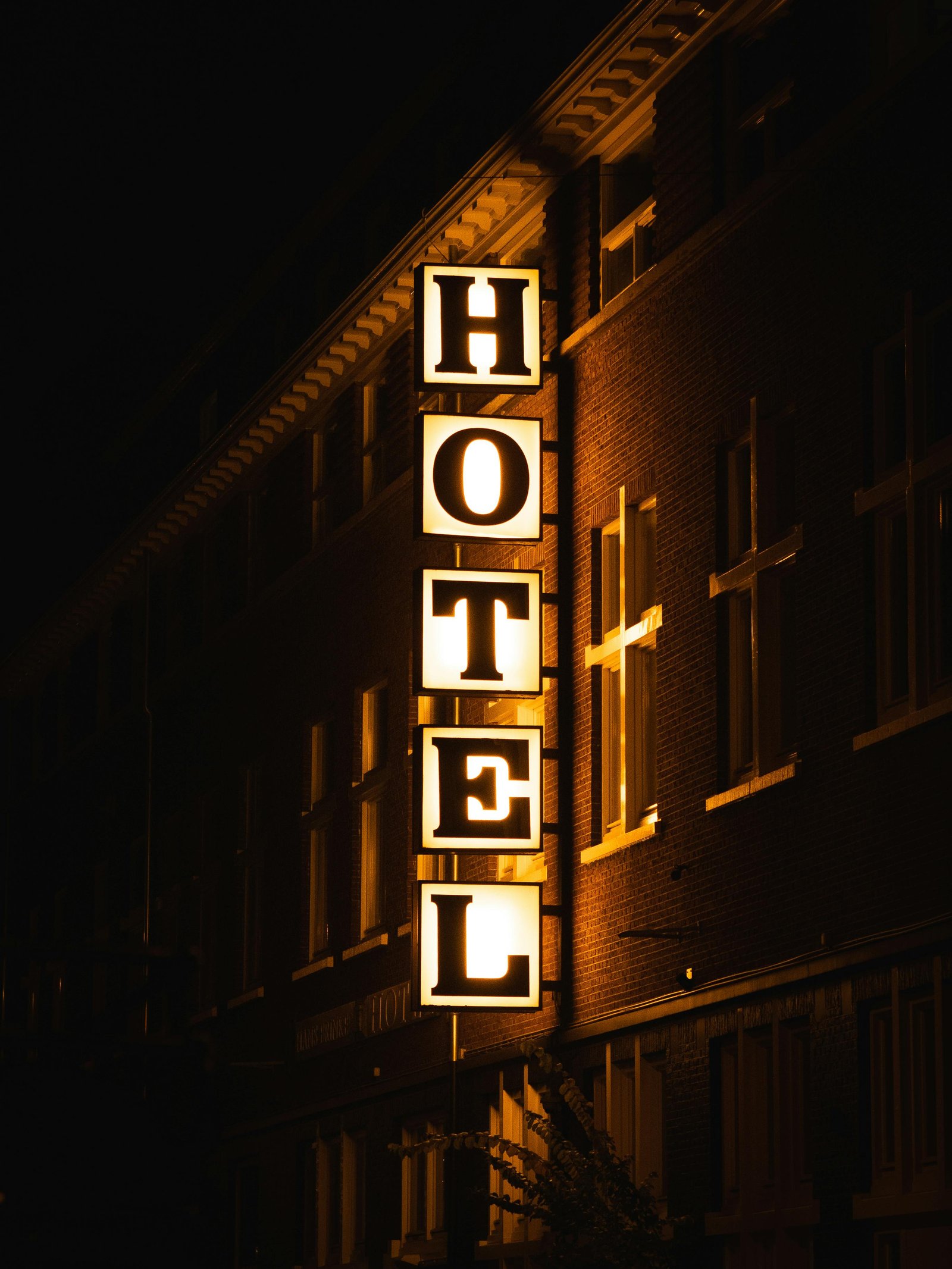
Introduction: As the world moves towards a more sustainable future, industries are seeking innovative ways to reduce their carbon footprint and promote energy efficiency. The hotel sector, especially in the context of Europe's exhibition industry, is embracing this challenge by designing and constructing nearly zero energy hotels. These pioneering establishments not only provide comfortable and luxurious accommodation but also minimize their environmental impact. In this blog post, we will explore the concept of nearly zero energy hotels, their benefits, and how they are shaping the future of Europe's exhibition industry. Defining Nearly Zero Energy Hotels: A nearly zero energy hotel operates on the principle of producing and utilizing energy in a way that its consumption is almost balanced by renewable energy generated on-site or nearby. These hotels harness various technologies and design strategies to achieve this goal, ranging from energy-efficient building materials to advanced energy management systems. By incorporating renewable energy sources like solar panels, geothermal heating, and energy-efficient appliances, these establishments strive to achieve a significant reduction in energy consumption while maintaining high standards of guest comfort. Benefits of Nearly Zero Energy Hotels: 1. Environmental Sustainability: The primary benefit of nearly zero energy hotels is their positive impact on the environment. By significantly reducing energy consumption and relying on renewable energy sources, these hotels drastically minimize greenhouse gas emissions, thus contributing to a more sustainable future. 2. Cost Savings: Although the initial investment in constructing a nearly zero energy hotel may be higher than that of a conventional hotel, the long-term benefits outweigh the costs. Energy savings and reduced maintenance requirements result in lower operational expenses, leading to significant cost savings over time. 3. Enhanced Guest Experience: Nearly zero energy hotels are designed to provide a comfortable and pleasant stay for guests. Advanced building insulation, energy-efficient lighting, and smart temperature controls ensure a high level of comfort while also lowering energy consumption. 4. Positive Brand Image: The exhibition industry heavily relies on reputation and positive brand image. By embracing sustainable practices, nearly zero energy hotels showcase their commitment to environmental stewardship and attract like-minded guests who appreciate their efforts towards a greener future. Impact on Europe's Exhibition Industry: The inclusion of nearly zero energy hotels within the exhibition industry strengthens Europe's position as a leader in sustainable tourism. By creating an environmentally conscious infrastructure, these hotels align with the growing demand for sustainable accommodation options among exhibitors and attendees. Their presence complements sustainable exhibition practices, further enhancing the industry's commitment towards environmental responsibility. Additionally, nearly zero energy hotels serve as a source of inspiration for other businesses in the exhibition industry. By showcasing innovative technologies and strategies focused on energy efficiency, these hotels encourage others to adopt similar approaches and contribute to a more sustainable future. Conclusion: As the exhibition industry continues to evolve, nearly zero energy hotels emerge as an indispensable component of sustainable development. With their eco-friendly practices, cost savings, enhanced guest experience, and positive brand image, these establishments are shaping the future of Europe's exhibition industry. By leading the way in environmental responsibility, they inspire others to challenge conventional practices, fostering a more sustainable and responsible business landscape. for more http://www.nezeh.com For a closer look, don't forget to read http://www.svop.org
Leave a Comment:
SEARCH
Recent News
- Zurich, Switzerland is a charming city known for its stunning architecture, picturesque landscapes, and vibrant culture. It is a popular destination for tourists from all over the world, offering a mix of historical sites, modern amenities, and breathtaking natural beauty. One of the must-visit places in Zurich is the old town, where you can stroll through narrow cobblestone streets lined with shops, cafes, and historic buildings.
- Zurich, Switzerland, and Sydney, Australia, are two popular travel destinations known for their unique charm and vibrant atmospheres. Travelers looking to explore these cities often seek comfortable accommodation options to enhance their stay. In this article, we will guide you through some top hotels in Sydney to consider for your next visit, and also delve into the beautiful city of Zurich and highlight some of its charming hotels.
- When it comes to content creation on YouTube, there are endless possibilities to explore. One interesting niche that creators can delve into is showcasing Tunisian hotels. Tunisia is known for its beautiful landscapes, rich history, and vibrant culture, making it an attractive destination for tourists from around the world.
- Are you interested in learning about YouTube content creation and translation in the context of Sydney hotels? I'm here to guide you through the process of producing engaging YouTube videos focusing on Sydney hotels and how to effectively translate your content to reach a wider audience.
- Tunisia is a beautiful country with stunning beaches, rich culture, and a colorful history. Tunisian hotels play a crucial role in the country's tourism industry, offering visitors a comfortable and luxurious stay during their vacation.
- Planning a trip to Sydney and looking for the best hotels to stay in? Look no further! In this blog post, we will introduce you to some of the top Sydney hotels that you can explore and consider for your stay.
- Tunisia is a beautiful North African country known for its rich history, stunning beaches, and vibrant culture. With its diverse landscapes ranging from the Sahara Desert to the Mediterranean Sea, Tunisia is a popular destination for tourists from all over the world. One major event that put Tunisia on the map in the sports world was when it hosted the FIFA World Cup in 1978.
- The World Cup is an exciting event that draws fans from all over the globe to experience the thrill of watching their favorite teams compete on the world stage. And when it comes to attending matches in Sydney, finding the perfect hotel is key to making the most of your World Cup experience.
READ MORE
6 months ago Category : nacnoc

Zurich, Switzerland is a charming city known for its stunning architecture, picturesque landscapes, and vibrant culture. It is a popular destination for tourists from all over the world, offering a mix of historical sites, modern amenities, and breathtaking natural beauty. One of the must-visit places in Zurich is the old town, where you can stroll through narrow cobblestone streets lined with shops, cafes, and historic buildings.
Read More →6 months ago Category : nacnoc

Zurich, Switzerland, and Sydney, Australia, are two popular travel destinations known for their unique charm and vibrant atmospheres. Travelers looking to explore these cities often seek comfortable accommodation options to enhance their stay. In this article, we will guide you through some top hotels in Sydney to consider for your next visit, and also delve into the beautiful city of Zurich and highlight some of its charming hotels.
Read More →6 months ago Category : nacnoc

When it comes to content creation on YouTube, there are endless possibilities to explore. One interesting niche that creators can delve into is showcasing Tunisian hotels. Tunisia is known for its beautiful landscapes, rich history, and vibrant culture, making it an attractive destination for tourists from around the world.
Read More →6 months ago Category : nacnoc
