The Influence of Cultural Trends in European Hotels on Politics
Category : nacnoc | Sub Category : nacnoc Posted on 2023-10-30 21:24:53
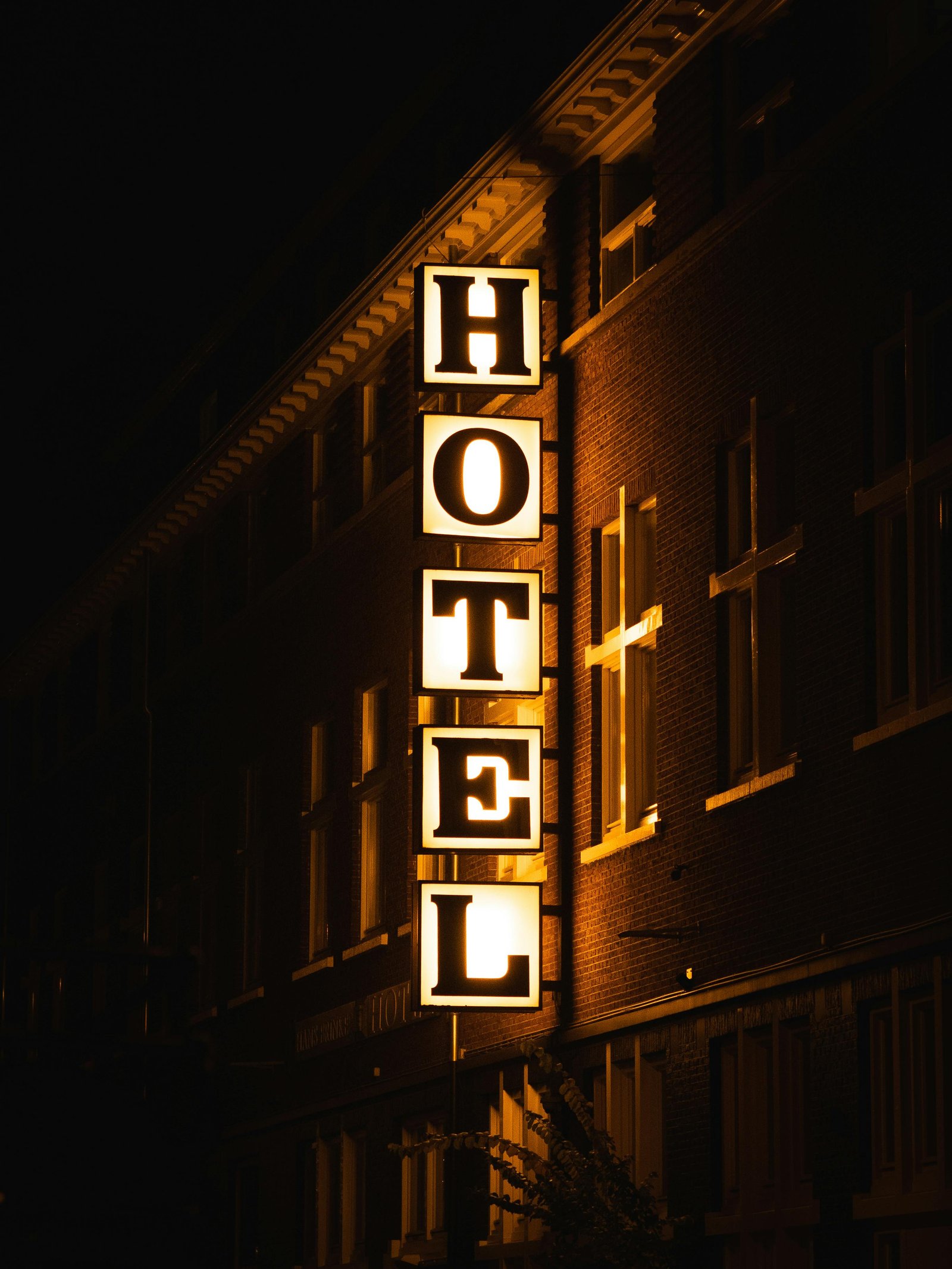
Introduction: Europe is a continent known for its rich cultural heritage, diverse traditions, and historical landmarks. Visitors flock from all corners of the world to experience everything it has to offer, including its vibrant hotel scene. However, the impact of these hotels on local politics is often overlooked. In this blog post, we will explore how cultural trends in European hotels have shaped and influenced political discourse in the region. 1. Cultural Identity and Representation: European hotels act as gateways to local culture and provide a unique opportunity for visitors to immerse themselves in the traditions and customs of the region. From the design and architecture to the cuisine and ambience, hotels play a pivotal role in showcasing the cultural identity of a destination. This emphasis on cultural representation has led to a greater appreciation for diversity and inclusivity within society, resulting in more inclusive political ideologies. 2. Sustainability and Environmental Policies: The hospitality industry in Europe has recognized the importance of sustainability and minimizing its environmental impact. Many hotels have implemented eco-friendly practices such as using renewable energy, reducing waste, and promoting locally sourced products. These initiatives align with political movements focused on climate change and conservation. Hotels that prioritize sustainability not only support these political goals but also inspire guests to adopt environmentally conscious behavior during their stay and beyond. 3. Social and Economic Development: Hotels are not only places of leisure but also major contributors to the local economy. They generate employment opportunities and stimulate economic growth through tourism. These financial benefits often lead to improved infrastructure, better public services, and enhanced urban development. As a result, politicians are increasingly recognizing the importance of investing in the tourism industry and creating policies that foster its growth and sustainability. 4. Inclusion and LGBTQ+ Rights: European hotels have seen a significant shift in their approach towards inclusivity and LGBTQ+ rights. Many establishments now offer LGBTQ+-friendly services, including same-sex couple packages, pride-themed events, and initiatives that promote diversity and gender equality. By doing so, hotels have played a crucial role in normalizing LGBTQ+ rights and facilitating open discussions, ultimately influencing political conversations and policies surrounding equal rights. 5. Technological Advancements: Lastly, the integration of technology within European hotels has impacted political conversations on issues such as data protection, privacy, and cybersecurity. In an era of increasing digitalization, hotels are taking measures to protect guest information, secure online transactions, and ensure data privacy. This focus on technology and privacy has spurred debates and discussions that have resulted in the implementation of stricter regulations and laws within the political landscape. Conclusion: European hotels have become more than just places to rest; they now act as catalysts for change within society and politics. The emphasis on cultural representation, sustainability, social and economic development, LGBTQ+ rights, and technological advancements have all contributed to shaping the political discourse in Europe. As travelers continue to seek authentic local experiences, hotels will continue to play a vital role in shaping cultural trends, thereby influencing the political landscape for years to come. To get a different viewpoint, consider: http://www.nezeh.com Discover new insights by reading http://www.culturepolitics.com More in http://www.mimidate.com If you are interested you can check the following website http://www.cotidiano.org
Leave a Comment:
SEARCH
Recent News
- Zurich, Switzerland is a charming city known for its stunning architecture, picturesque landscapes, and vibrant culture. It is a popular destination for tourists from all over the world, offering a mix of historical sites, modern amenities, and breathtaking natural beauty. One of the must-visit places in Zurich is the old town, where you can stroll through narrow cobblestone streets lined with shops, cafes, and historic buildings.
- Zurich, Switzerland, and Sydney, Australia, are two popular travel destinations known for their unique charm and vibrant atmospheres. Travelers looking to explore these cities often seek comfortable accommodation options to enhance their stay. In this article, we will guide you through some top hotels in Sydney to consider for your next visit, and also delve into the beautiful city of Zurich and highlight some of its charming hotels.
- When it comes to content creation on YouTube, there are endless possibilities to explore. One interesting niche that creators can delve into is showcasing Tunisian hotels. Tunisia is known for its beautiful landscapes, rich history, and vibrant culture, making it an attractive destination for tourists from around the world.
- Are you interested in learning about YouTube content creation and translation in the context of Sydney hotels? I'm here to guide you through the process of producing engaging YouTube videos focusing on Sydney hotels and how to effectively translate your content to reach a wider audience.
- Tunisia is a beautiful country with stunning beaches, rich culture, and a colorful history. Tunisian hotels play a crucial role in the country's tourism industry, offering visitors a comfortable and luxurious stay during their vacation.
- Planning a trip to Sydney and looking for the best hotels to stay in? Look no further! In this blog post, we will introduce you to some of the top Sydney hotels that you can explore and consider for your stay.
- Tunisia is a beautiful North African country known for its rich history, stunning beaches, and vibrant culture. With its diverse landscapes ranging from the Sahara Desert to the Mediterranean Sea, Tunisia is a popular destination for tourists from all over the world. One major event that put Tunisia on the map in the sports world was when it hosted the FIFA World Cup in 1978.
- The World Cup is an exciting event that draws fans from all over the globe to experience the thrill of watching their favorite teams compete on the world stage. And when it comes to attending matches in Sydney, finding the perfect hotel is key to making the most of your World Cup experience.
READ MORE
11 months ago Category : nacnoc

Zurich, Switzerland is a charming city known for its stunning architecture, picturesque landscapes, and vibrant culture. It is a popular destination for tourists from all over the world, offering a mix of historical sites, modern amenities, and breathtaking natural beauty. One of the must-visit places in Zurich is the old town, where you can stroll through narrow cobblestone streets lined with shops, cafes, and historic buildings.
Read More →11 months ago Category : nacnoc

Zurich, Switzerland, and Sydney, Australia, are two popular travel destinations known for their unique charm and vibrant atmospheres. Travelers looking to explore these cities often seek comfortable accommodation options to enhance their stay. In this article, we will guide you through some top hotels in Sydney to consider for your next visit, and also delve into the beautiful city of Zurich and highlight some of its charming hotels.
Read More →11 months ago Category : nacnoc

When it comes to content creation on YouTube, there are endless possibilities to explore. One interesting niche that creators can delve into is showcasing Tunisian hotels. Tunisia is known for its beautiful landscapes, rich history, and vibrant culture, making it an attractive destination for tourists from around the world.
Read More →11 months ago Category : nacnoc
