Exploring the Cultural Essence of Hotels in Europe
Category : nacnoc | Sub Category : nacnoc Posted on 2023-10-30 21:24:53
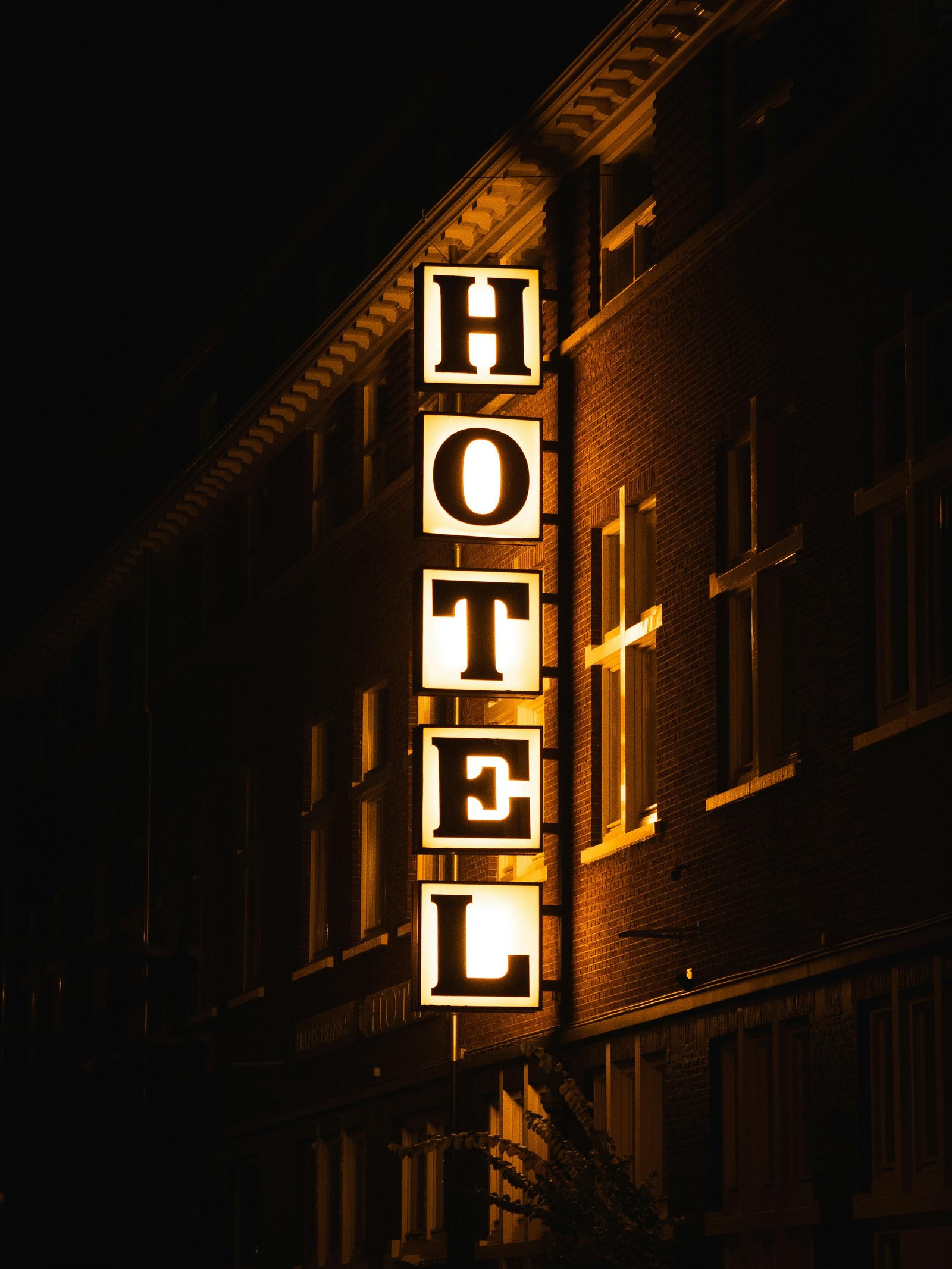
Introduction: Europe is a continent renowned for its rich cultural heritage and diverse national identities. From vibrant cityscapes to picturesque countryside, Europe offers an array of stunning destinations to explore. One integral aspect of travel is finding the perfect accommodation that not only provides comfort but also reflects the unique culture and national identity of the destination. In this blog post, we delve into the fascinating world of hotels in Europe and how they play a significant role in preserving and showcasing local culture. 1. Unique Architecture and Design: Hotels in Europe often stand out for their remarkable architecture and design, reflecting the historical and cultural elements of their respective countries. From grand palaces to charming countryside retreats, these establishments embody the local identity through their unique structures and interior decor. For example, in Vienna, you can find hotels that boast the imperial architecture reminiscent of the Austro-Hungarian Empire, while in Spain, you may stumble upon Moorish-inspired hotels with elaborate tilework and arches. 2. Culinary Delights: One cannot fully experience the culture of a destination without indulging in its local cuisine. Hotels in Europe go beyond offering standard breakfast buffets by curating culinary experiences that showcase the region's gastronomic delights. Guests can savor traditional dishes, experience local cooking techniques, and sample regional wines, all without leaving the comfort of their hotel. Whether it's enjoying a hearty English breakfast in a London hotel or savoring Mediterranean cuisine in a hotel on the Italian coast, the culinary offerings enhance the overall cultural experience. 3. Cultural Events and Activities: Hotels in Europe often act as cultural hubs, hosting events and activities that provide unique insights into the local traditions and customs. From wine tastings to cooking classes, folk music recitals to art exhibitions, guests can immerse themselves in the cultural fabric of the destination right within the hotel premises. This not only helps preserve and promote local art and traditions but also allows visitors to engage with the destination's cultural heritage at their own convenience. 4. Art and Dcor: Europe has been a hub of artistic inspiration for centuries, and hotels across the continent proudly display artwork and dcor that pays homage to this heritage. From original paintings by famous artists to antique furniture and sculptures, these hotels seamlessly blend contemporary comfort with cultural sophistication. Staying in such hotels gives guests the opportunity to appreciate and be surrounded by the artistic masterpieces that define European culture. 5. Locally-Inspired Spa and Wellness: Wellness and relaxation are integral to European culture, and many hotels incorporate local spa and wellness practices into their offerings. From Ayurvedic treatments in India-inspired establishments to thermal baths in Hungary, hotels provide a rejuvenating experience that aligns with the customs and traditions of the region. Guests can unwind and recharge while immersing themselves in centuries-old wellness rituals. Conclusion: Hotels in Europe offer more than just a place to rest; they elevate the travel experience by encompassing the local culture and national identity of the destination. Whether it's through unique architecture, culinary delights, cultural events, art, or wellness practices, these hotels play a significant role in preserving and showcasing the diverse cultures found across Europe. By staying in these establishments, travelers have the opportunity to not only explore local attractions but also immerse themselves in the true essence of the destination. So, the next time you plan a trip to Europe, be sure to choose a hotel that embraces the cultural soul of the region to make your stay an unforgettable experience. To understand this better, read http://www.nezeh.com To learn more, take a look at: http://www.culturepolitics.com
Leave a Comment:
SEARCH
Recent News
- Zurich, Switzerland is a charming city known for its stunning architecture, picturesque landscapes, and vibrant culture. It is a popular destination for tourists from all over the world, offering a mix of historical sites, modern amenities, and breathtaking natural beauty. One of the must-visit places in Zurich is the old town, where you can stroll through narrow cobblestone streets lined with shops, cafes, and historic buildings.
- Zurich, Switzerland, and Sydney, Australia, are two popular travel destinations known for their unique charm and vibrant atmospheres. Travelers looking to explore these cities often seek comfortable accommodation options to enhance their stay. In this article, we will guide you through some top hotels in Sydney to consider for your next visit, and also delve into the beautiful city of Zurich and highlight some of its charming hotels.
- When it comes to content creation on YouTube, there are endless possibilities to explore. One interesting niche that creators can delve into is showcasing Tunisian hotels. Tunisia is known for its beautiful landscapes, rich history, and vibrant culture, making it an attractive destination for tourists from around the world.
- Are you interested in learning about YouTube content creation and translation in the context of Sydney hotels? I'm here to guide you through the process of producing engaging YouTube videos focusing on Sydney hotels and how to effectively translate your content to reach a wider audience.
- Tunisia is a beautiful country with stunning beaches, rich culture, and a colorful history. Tunisian hotels play a crucial role in the country's tourism industry, offering visitors a comfortable and luxurious stay during their vacation.
- Planning a trip to Sydney and looking for the best hotels to stay in? Look no further! In this blog post, we will introduce you to some of the top Sydney hotels that you can explore and consider for your stay.
- Tunisia is a beautiful North African country known for its rich history, stunning beaches, and vibrant culture. With its diverse landscapes ranging from the Sahara Desert to the Mediterranean Sea, Tunisia is a popular destination for tourists from all over the world. One major event that put Tunisia on the map in the sports world was when it hosted the FIFA World Cup in 1978.
- The World Cup is an exciting event that draws fans from all over the globe to experience the thrill of watching their favorite teams compete on the world stage. And when it comes to attending matches in Sydney, finding the perfect hotel is key to making the most of your World Cup experience.
READ MORE
10 months ago Category : nacnoc

Zurich, Switzerland is a charming city known for its stunning architecture, picturesque landscapes, and vibrant culture. It is a popular destination for tourists from all over the world, offering a mix of historical sites, modern amenities, and breathtaking natural beauty. One of the must-visit places in Zurich is the old town, where you can stroll through narrow cobblestone streets lined with shops, cafes, and historic buildings.
Read More →10 months ago Category : nacnoc

Zurich, Switzerland, and Sydney, Australia, are two popular travel destinations known for their unique charm and vibrant atmospheres. Travelers looking to explore these cities often seek comfortable accommodation options to enhance their stay. In this article, we will guide you through some top hotels in Sydney to consider for your next visit, and also delve into the beautiful city of Zurich and highlight some of its charming hotels.
Read More →10 months ago Category : nacnoc

When it comes to content creation on YouTube, there are endless possibilities to explore. One interesting niche that creators can delve into is showcasing Tunisian hotels. Tunisia is known for its beautiful landscapes, rich history, and vibrant culture, making it an attractive destination for tourists from around the world.
Read More →10 months ago Category : nacnoc
