How Industrial Automation is Revolutionizing Hotels in Europe
Category : nacnoc | Sub Category : nacnoc Posted on 2023-10-30 21:24:53
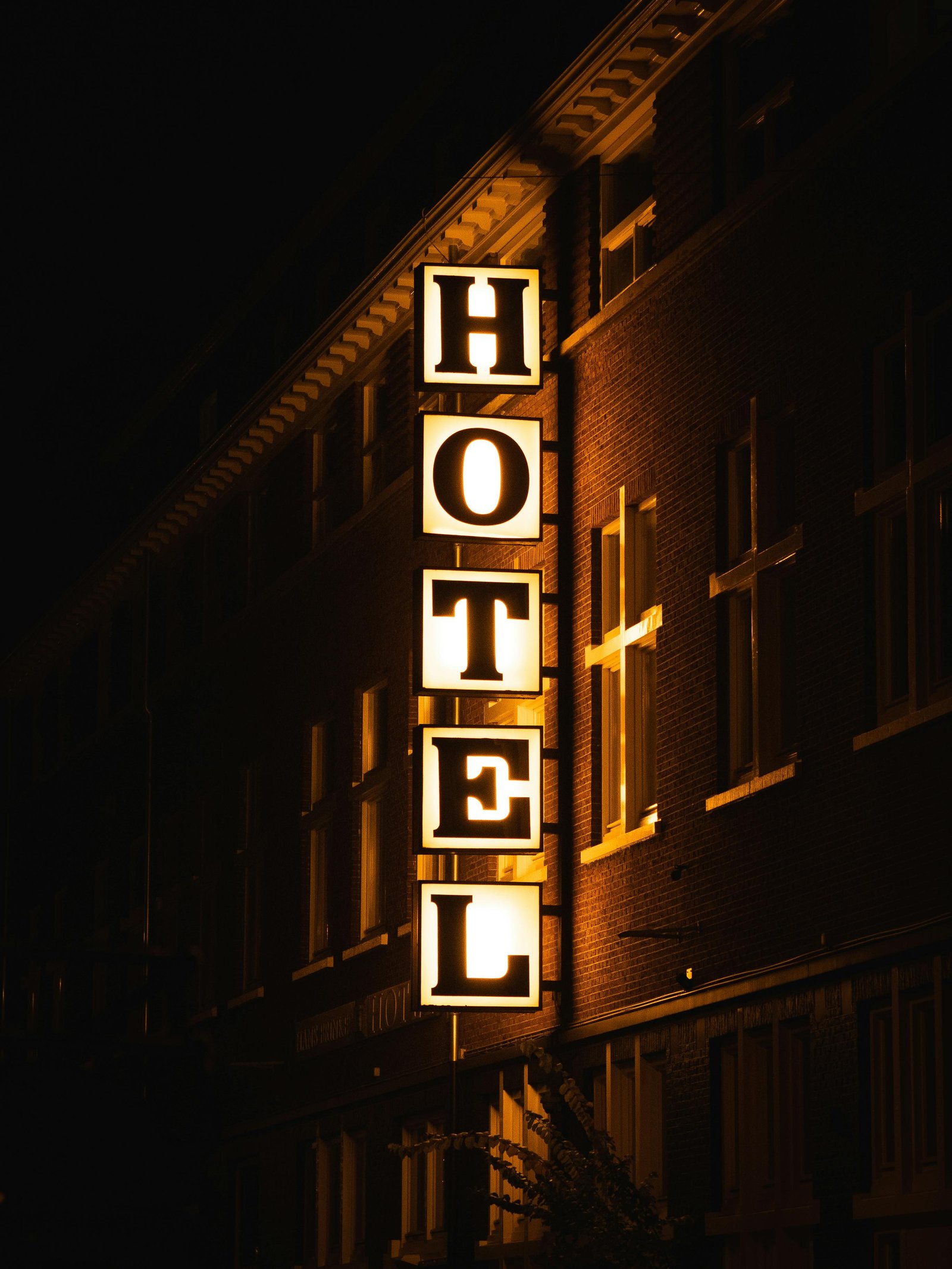
Introduction: As technology continues to advance, various industries are embracing the benefits of automation. One sector where the integration of automation has become increasingly prevalent is the hospitality industry, specifically in hotels. In this blog post, we will explore how industrial automation is revolutionizing hotels in Europe, providing guests with enhanced convenience, efficiency, and an overall superior experience. Streamlining Check-in and Check-out Processes: Traditional hotel check-in and check-out processes can often be time-consuming and inconvenient for guests. However, with industrial automation, hotels in Europe are revolutionizing these procedures, making them seamless and efficient. Self-check-in kiosks have become common in many hotels, allowing guests to easily select their desired room, make payments, and receive room keys, all in a matter of minutes. This not only minimizes wait times but also eliminates the need for excessive staff presence at the front desk, allowing hotel employees to focus on other essential tasks. Enhanced Room Control and Guest Experience: Industrial automation in hotels goes beyond check-in processes. By incorporating smart room technology, hotels in Europe are enabling guests to have complete control over their room environment. Through smart devices or mobile apps, guests can adjust lighting, temperature, and even control curtains and shades with ease. Additionally, personalized settings can be saved, ensuring returning guests feel instantly comfortable in their preferred environment. Automation also allows for seamless integration of entertainment systems, allowing guests to easily access streaming services and connect their personal devices to in-room amenities. Efficient Energy Management: One of the significant advantages of industrial automation in hotels is the ability to optimize energy management. By implementing smart energy control systems, hotels in Europe can reduce energy consumption while maintaining guest comfort. For instance, automated sensors can detect when a room is unoccupied, automatically adjusting temperature and turning off lights to conserve energy. This not only contributes to a greener environment but also reduces utility costs for the hotel. Additionally, automating energy management also allows hotels to monitor and track energy usage, identify patterns, and proactively manage consumption, leading to sustainability improvements in the long run. Streamlined Housekeeping Operations: Industrial automation is transforming housekeeping operations in hotels, providing efficient and effective services to guests. Automated systems can notify housekeeping staff when a room is vacant, needs cleaning, or requires restocking of amenities. This eliminates the need for manual tracking systems and allows for real-time updates, ensuring rooms are promptly prepared for new arrivals. Automation in housekeeping also includes robotic floor cleaners and laundry sorting systems, further streamlining operations and enabling hotel staff to focus on delivering personalized experiences to guests. Conclusion: Industrial automation is revolutionizing hotels in Europe by enhancing guest experiences, streamlining operations, and optimizing resource management. From self-check-in kiosks to smart room technology and energy-efficient systems, automation is providing guests with convenience, comfort, and sustainability. As hotels continue to embrace automation, it is clear that Europe is at the forefront of this technological revolution in the hospitality industry. With the integration of advanced automation systems, hotels in Europe are well-positioned to provide exceptional services, making guests' stays more memorable than ever before. For the latest research, visit http://www.nezeh.com
Leave a Comment:
SEARCH
Recent News
- Zurich, Switzerland is a charming city known for its stunning architecture, picturesque landscapes, and vibrant culture. It is a popular destination for tourists from all over the world, offering a mix of historical sites, modern amenities, and breathtaking natural beauty. One of the must-visit places in Zurich is the old town, where you can stroll through narrow cobblestone streets lined with shops, cafes, and historic buildings.
- Zurich, Switzerland, and Sydney, Australia, are two popular travel destinations known for their unique charm and vibrant atmospheres. Travelers looking to explore these cities often seek comfortable accommodation options to enhance their stay. In this article, we will guide you through some top hotels in Sydney to consider for your next visit, and also delve into the beautiful city of Zurich and highlight some of its charming hotels.
- When it comes to content creation on YouTube, there are endless possibilities to explore. One interesting niche that creators can delve into is showcasing Tunisian hotels. Tunisia is known for its beautiful landscapes, rich history, and vibrant culture, making it an attractive destination for tourists from around the world.
- Are you interested in learning about YouTube content creation and translation in the context of Sydney hotels? I'm here to guide you through the process of producing engaging YouTube videos focusing on Sydney hotels and how to effectively translate your content to reach a wider audience.
- Tunisia is a beautiful country with stunning beaches, rich culture, and a colorful history. Tunisian hotels play a crucial role in the country's tourism industry, offering visitors a comfortable and luxurious stay during their vacation.
- Planning a trip to Sydney and looking for the best hotels to stay in? Look no further! In this blog post, we will introduce you to some of the top Sydney hotels that you can explore and consider for your stay.
- Tunisia is a beautiful North African country known for its rich history, stunning beaches, and vibrant culture. With its diverse landscapes ranging from the Sahara Desert to the Mediterranean Sea, Tunisia is a popular destination for tourists from all over the world. One major event that put Tunisia on the map in the sports world was when it hosted the FIFA World Cup in 1978.
- The World Cup is an exciting event that draws fans from all over the globe to experience the thrill of watching their favorite teams compete on the world stage. And when it comes to attending matches in Sydney, finding the perfect hotel is key to making the most of your World Cup experience.
READ MORE
8 months ago Category : nacnoc

Zurich, Switzerland is a charming city known for its stunning architecture, picturesque landscapes, and vibrant culture. It is a popular destination for tourists from all over the world, offering a mix of historical sites, modern amenities, and breathtaking natural beauty. One of the must-visit places in Zurich is the old town, where you can stroll through narrow cobblestone streets lined with shops, cafes, and historic buildings.
Read More →8 months ago Category : nacnoc

Zurich, Switzerland, and Sydney, Australia, are two popular travel destinations known for their unique charm and vibrant atmospheres. Travelers looking to explore these cities often seek comfortable accommodation options to enhance their stay. In this article, we will guide you through some top hotels in Sydney to consider for your next visit, and also delve into the beautiful city of Zurich and highlight some of its charming hotels.
Read More →8 months ago Category : nacnoc

When it comes to content creation on YouTube, there are endless possibilities to explore. One interesting niche that creators can delve into is showcasing Tunisian hotels. Tunisia is known for its beautiful landscapes, rich history, and vibrant culture, making it an attractive destination for tourists from around the world.
Read More →8 months ago Category : nacnoc
