How Government Transportation Projects in Canada are Impacting Hotel Lighting
Category : nacnoc | Sub Category : nacnoc Posted on 2023-10-30 21:24:53
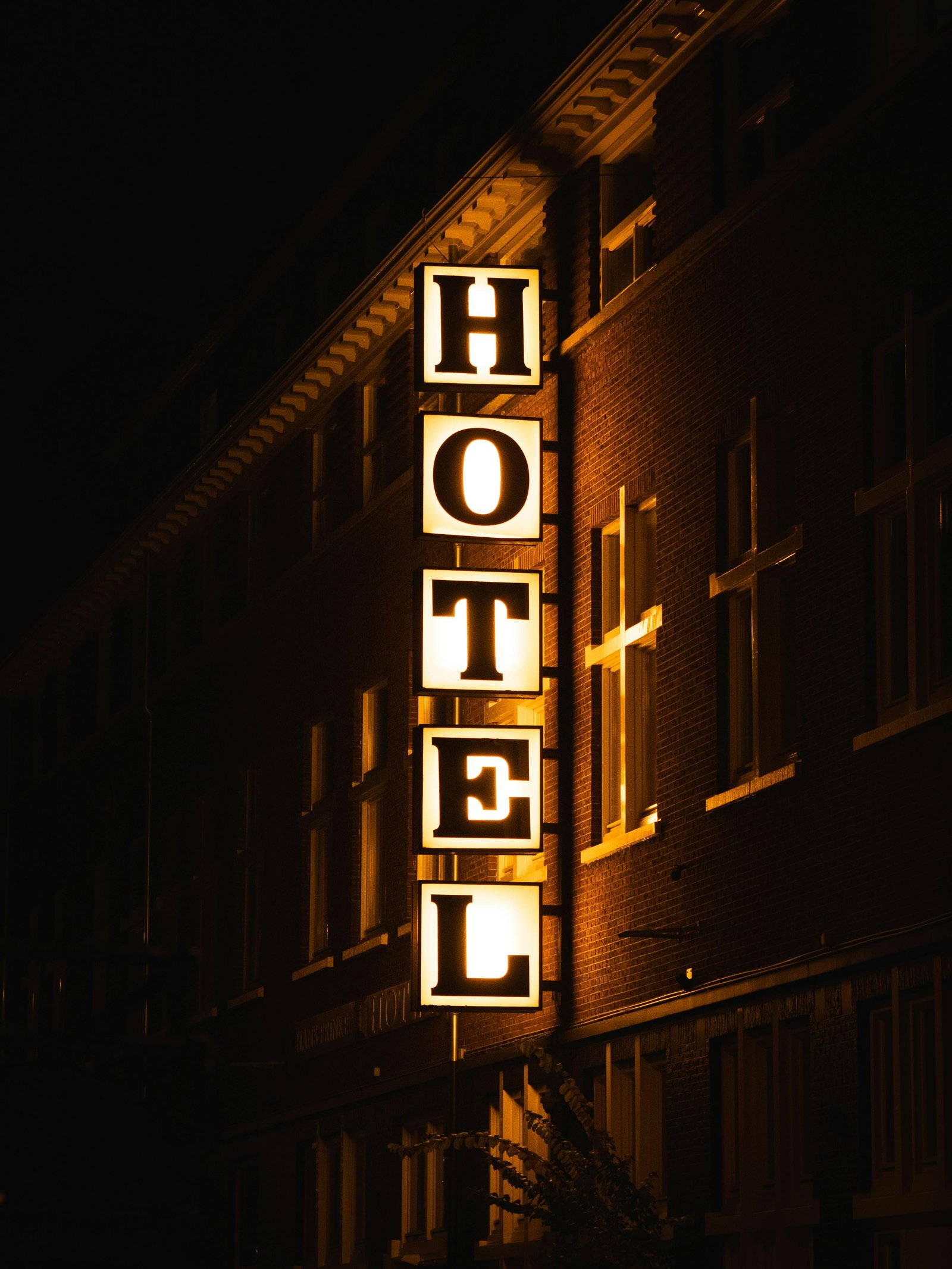
As the government in Canada continues to invest in transportation projects across the country, the ripple effect can be seen in various industries. One such sector that is experiencing a change is the hospitality industry, specifically in terms of hotel lighting. Government transportation projects aim to improve the overall infrastructure and connectivity in Canada. These projects include the construction and development of roads, highways, bridges, and public transportation systems. As a result, there is an increase in the number of people traveling and staying in different cities and towns across the country. With more travelers, comes the need for more hotel accommodations. Hotels are constantly looking for ways to enhance the guest experience and make their stay unforgettable. One aspect that directly impacts the guest experience is the lighting in hotels. Hotel lighting plays a significant role in creating an atmosphere that is soothing, welcoming, and aesthetically pleasing. It sets the mood, enhances the overall ambiance, and contributes to the overall comfort of the guests. With the government transportation projects causing an increase in travel, hotels are now facing the challenge of meeting the rising demand while maintaining and improving their lighting systems. To cater to the changing requirements, hotels are investing in upgrading their lighting infrastructure. They are embracing energy-efficient lighting solutions that not only create a pleasant environment but also help them save on energy costs. LED lighting is an increasingly popular choice as it offers long-lasting performance, better light quality, and reduced energy consumption. Hoteliers are also exploring smart lighting systems that can be easily controlled and adjusted to suit different guest preferences. With the help of smart technology, guests can customize their lighting settings, creating a personalized experience. Additionally, automated lighting systems can be programmed to adjust brightness levels based on natural light, making the space feel more natural and comfortable. The collaboration between the government transportation projects and the hospitality industry is not limited to lighting upgrades. As transportation infrastructure improves, hotels within proximity to these projects stand to benefit from increased footfall and business opportunities. In turn, these hotels are more likely to invest in enhancing their facilities and amenities, including lighting. Hotels are also mindful of sustainability and the environmental impact of their operations. With government transportation projects prioritizing sustainable development, hotels are aligning their efforts to reduce their carbon footprint. Energy-efficient lighting solutions contribute to this goal by significantly reducing the hotel's energy consumption and greenhouse gas emissions. In conclusion, government transportation projects in Canada are shaping the hospitality industry in various ways, including the lighting systems in hotels. With an increase in travel and accommodation requirements, hotels are investing in energy-efficient and smart lighting solutions to enhance the guest experience. Collaborative efforts between the government and the hospitality sector extend beyond lighting upgrades and include overall infrastructure development. As travelers continue to benefit from better transportation systems, hotels are responding by providing top-notch facilities and amenities. More in http://www.borntoresist.com Get a comprehensive view with http://www.nezeh.com Uncover valuable insights in http://www.lumenwork.com If you are interested you can check http://www.alliancespot.com also for more http://www.mimidate.com Explore this subject further by checking out http://www.cotidiano.org
Leave a Comment:
SEARCH
Recent News
- Zurich, Switzerland is a charming city known for its stunning architecture, picturesque landscapes, and vibrant culture. It is a popular destination for tourists from all over the world, offering a mix of historical sites, modern amenities, and breathtaking natural beauty. One of the must-visit places in Zurich is the old town, where you can stroll through narrow cobblestone streets lined with shops, cafes, and historic buildings.
- Zurich, Switzerland, and Sydney, Australia, are two popular travel destinations known for their unique charm and vibrant atmospheres. Travelers looking to explore these cities often seek comfortable accommodation options to enhance their stay. In this article, we will guide you through some top hotels in Sydney to consider for your next visit, and also delve into the beautiful city of Zurich and highlight some of its charming hotels.
- When it comes to content creation on YouTube, there are endless possibilities to explore. One interesting niche that creators can delve into is showcasing Tunisian hotels. Tunisia is known for its beautiful landscapes, rich history, and vibrant culture, making it an attractive destination for tourists from around the world.
- Are you interested in learning about YouTube content creation and translation in the context of Sydney hotels? I'm here to guide you through the process of producing engaging YouTube videos focusing on Sydney hotels and how to effectively translate your content to reach a wider audience.
- Tunisia is a beautiful country with stunning beaches, rich culture, and a colorful history. Tunisian hotels play a crucial role in the country's tourism industry, offering visitors a comfortable and luxurious stay during their vacation.
- Planning a trip to Sydney and looking for the best hotels to stay in? Look no further! In this blog post, we will introduce you to some of the top Sydney hotels that you can explore and consider for your stay.
- Tunisia is a beautiful North African country known for its rich history, stunning beaches, and vibrant culture. With its diverse landscapes ranging from the Sahara Desert to the Mediterranean Sea, Tunisia is a popular destination for tourists from all over the world. One major event that put Tunisia on the map in the sports world was when it hosted the FIFA World Cup in 1978.
- The World Cup is an exciting event that draws fans from all over the globe to experience the thrill of watching their favorite teams compete on the world stage. And when it comes to attending matches in Sydney, finding the perfect hotel is key to making the most of your World Cup experience.
READ MORE
10 months ago Category : nacnoc

Zurich, Switzerland is a charming city known for its stunning architecture, picturesque landscapes, and vibrant culture. It is a popular destination for tourists from all over the world, offering a mix of historical sites, modern amenities, and breathtaking natural beauty. One of the must-visit places in Zurich is the old town, where you can stroll through narrow cobblestone streets lined with shops, cafes, and historic buildings.
Read More →10 months ago Category : nacnoc

Zurich, Switzerland, and Sydney, Australia, are two popular travel destinations known for their unique charm and vibrant atmospheres. Travelers looking to explore these cities often seek comfortable accommodation options to enhance their stay. In this article, we will guide you through some top hotels in Sydney to consider for your next visit, and also delve into the beautiful city of Zurich and highlight some of its charming hotels.
Read More →10 months ago Category : nacnoc

When it comes to content creation on YouTube, there are endless possibilities to explore. One interesting niche that creators can delve into is showcasing Tunisian hotels. Tunisia is known for its beautiful landscapes, rich history, and vibrant culture, making it an attractive destination for tourists from around the world.
Read More →10 months ago Category : nacnoc
