**Navigating Hotel Regulations in Thailand and Egypt**
Category : nacnoc | Sub Category : nacnoc Posted on 2024-09-07 22:25:23
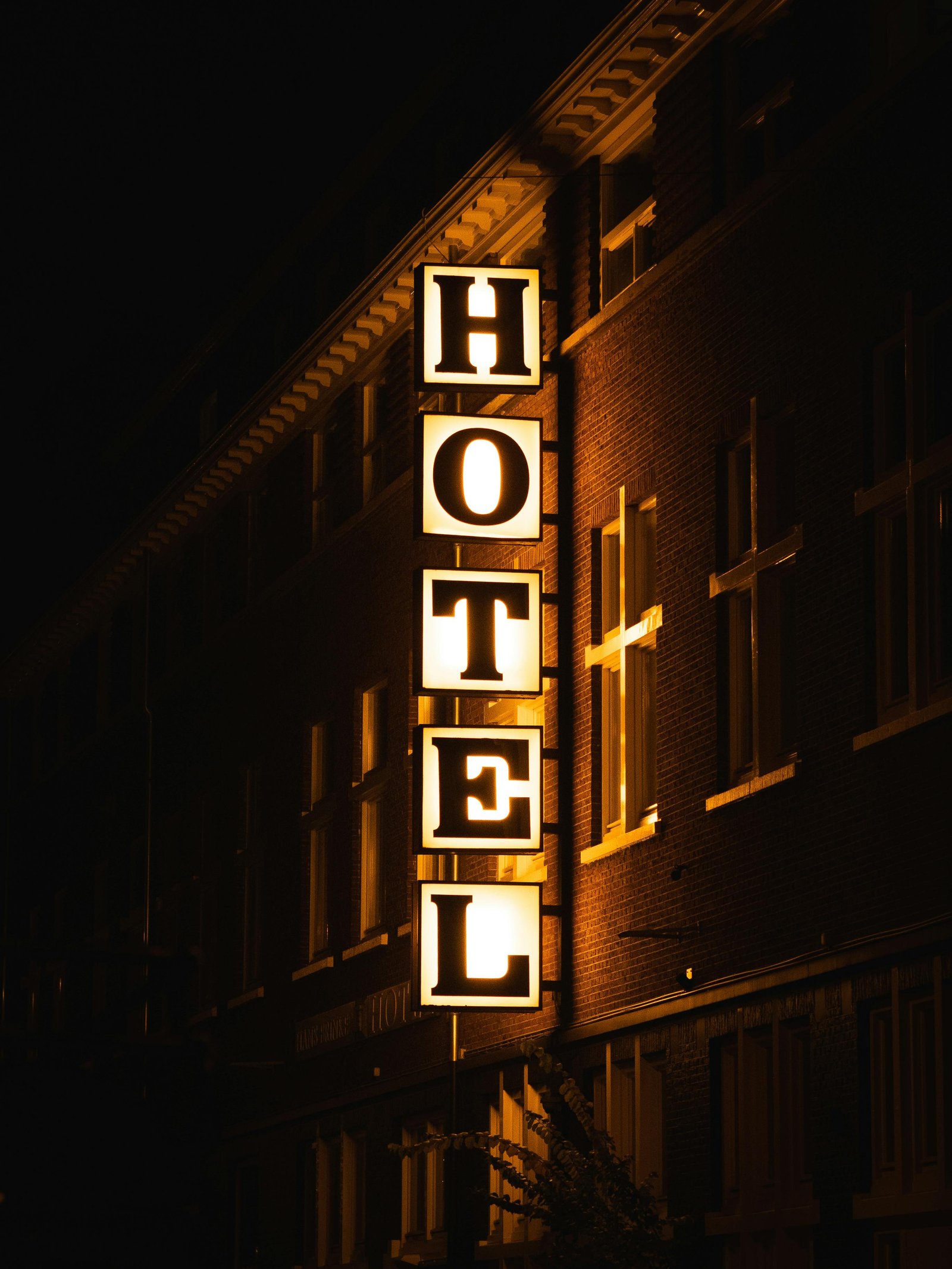
As a frequent traveler, one of the key aspects to consider when planning your stay in a foreign country is the local regulations governing hospitality establishments. Thailand and Egypt are two popular tourist destinations known for their rich cultural heritage, stunning landscapes, and vibrant attractions. In this blog post, we will explore the essential laws and regulations that govern hotels in these two countries. **Thailand:** Thailand is renowned for its hospitality and tourism industry, with a wide range of accommodation options, from luxury resorts to budget hostels. However, hotel operators must comply with Thai laws and regulations to ensure the safety and well-being of their guests. Some key regulations that hotels in Thailand must adhere to include: 1. **Hotel License:** All hotels in Thailand must obtain a hotel license from the Department of Provincial Administration to operate legally. This license ensures that the property meets the required safety, health, and facility standards set by the government. 2. **Building Regulations:** Hotels must comply with building regulations and fire safety standards to provide a safe environment for guests. Regular inspections are conducted to ensure compliance with these regulations. 3. **Employee Regulations:** Hotels must adhere to labor regulations in Thailand, including fair wages, working hours, and employee rights. This includes providing adequate training on safety and emergency procedures. **Egypt:** Egypt boasts a rich history and is home to iconic landmarks such as the Pyramids of Giza and the Sphinx. The country attracts millions of tourists each year, and its hotel industry plays a crucial role in the tourism sector. Hotel operators in Egypt must adhere to various laws and regulations, including: 1. **Hotel Classification:** Hotels in Egypt are classified based on the facilities and services they offer. The classifications range from 1 to 5 stars, with specific criteria for each category. This helps guests make informed decisions about their accommodation. 2. **Health and Safety Regulations:** Egyptian hotels must comply with health and safety regulations to ensure the well-being of guests. This includes maintaining cleanliness, providing safe food and water, and implementing emergency response protocols. 3. **Tourism Development:** The Egyptian government encourages investment in the tourism sector and offers incentives to hotel developers. However, developers must comply with regulations related to land use, environmental impact assessments, and building permits. In conclusion, understanding the laws and regulations governing hotels in Thailand and Egypt is essential for both hotel operators and guests. By ensuring compliance with these regulations, hotels can provide a safe and enjoyable experience for their guests while contributing to the overall growth of the tourism industry in these countries. Whether you're planning a luxurious getaway or a budget-friendly stay, knowing the legal landscape of your destination will help you make informed choices and enjoy a memorable travel experience.
Leave a Comment:
SEARCH
Recent News
- Zurich, Switzerland is a charming city known for its stunning architecture, picturesque landscapes, and vibrant culture. It is a popular destination for tourists from all over the world, offering a mix of historical sites, modern amenities, and breathtaking natural beauty. One of the must-visit places in Zurich is the old town, where you can stroll through narrow cobblestone streets lined with shops, cafes, and historic buildings.
- Zurich, Switzerland, and Sydney, Australia, are two popular travel destinations known for their unique charm and vibrant atmospheres. Travelers looking to explore these cities often seek comfortable accommodation options to enhance their stay. In this article, we will guide you through some top hotels in Sydney to consider for your next visit, and also delve into the beautiful city of Zurich and highlight some of its charming hotels.
- When it comes to content creation on YouTube, there are endless possibilities to explore. One interesting niche that creators can delve into is showcasing Tunisian hotels. Tunisia is known for its beautiful landscapes, rich history, and vibrant culture, making it an attractive destination for tourists from around the world.
- Are you interested in learning about YouTube content creation and translation in the context of Sydney hotels? I'm here to guide you through the process of producing engaging YouTube videos focusing on Sydney hotels and how to effectively translate your content to reach a wider audience.
- Tunisia is a beautiful country with stunning beaches, rich culture, and a colorful history. Tunisian hotels play a crucial role in the country's tourism industry, offering visitors a comfortable and luxurious stay during their vacation.
- Planning a trip to Sydney and looking for the best hotels to stay in? Look no further! In this blog post, we will introduce you to some of the top Sydney hotels that you can explore and consider for your stay.
- Tunisia is a beautiful North African country known for its rich history, stunning beaches, and vibrant culture. With its diverse landscapes ranging from the Sahara Desert to the Mediterranean Sea, Tunisia is a popular destination for tourists from all over the world. One major event that put Tunisia on the map in the sports world was when it hosted the FIFA World Cup in 1978.
- The World Cup is an exciting event that draws fans from all over the globe to experience the thrill of watching their favorite teams compete on the world stage. And when it comes to attending matches in Sydney, finding the perfect hotel is key to making the most of your World Cup experience.
READ MORE
11 months ago Category : nacnoc

Zurich, Switzerland is a charming city known for its stunning architecture, picturesque landscapes, and vibrant culture. It is a popular destination for tourists from all over the world, offering a mix of historical sites, modern amenities, and breathtaking natural beauty. One of the must-visit places in Zurich is the old town, where you can stroll through narrow cobblestone streets lined with shops, cafes, and historic buildings.
Read More →11 months ago Category : nacnoc

Zurich, Switzerland, and Sydney, Australia, are two popular travel destinations known for their unique charm and vibrant atmospheres. Travelers looking to explore these cities often seek comfortable accommodation options to enhance their stay. In this article, we will guide you through some top hotels in Sydney to consider for your next visit, and also delve into the beautiful city of Zurich and highlight some of its charming hotels.
Read More →11 months ago Category : nacnoc

When it comes to content creation on YouTube, there are endless possibilities to explore. One interesting niche that creators can delve into is showcasing Tunisian hotels. Tunisia is known for its beautiful landscapes, rich history, and vibrant culture, making it an attractive destination for tourists from around the world.
Read More →11 months ago Category : nacnoc
