The Dangers of Face Morphing and Image Manipulation in Thailand Hotels
Category : nacnoc | Sub Category : nacnoc Posted on 2023-10-30 21:24:53
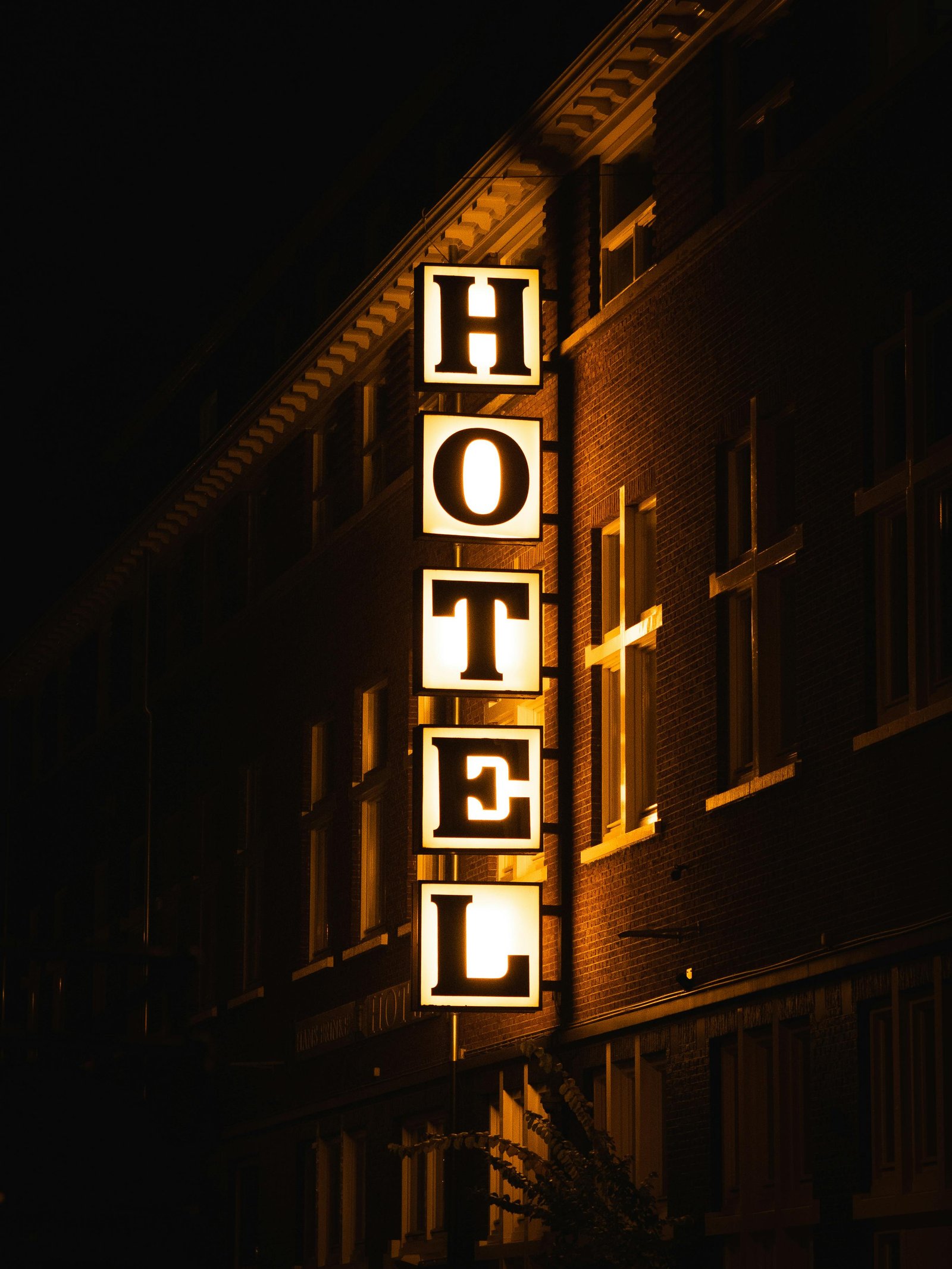
Introduction: In this era of advanced digital technology, image manipulation has become a common practice, with individuals using various software and apps to alter their appearance or create unrealistic imagery. While it may seem harmless, the prevalence of face morphing and image manipulation has raised concerns, especially within the hospitality industry. In this blog post, we will explore the dangers associated with face morphing and image manipulation in Thailand hotels and discuss the potential consequences for guests and the industry as a whole. The Rise of Face Morphing and Image Manipulation: Face morphing refers to the technique of blending two or more images together to create a seamless transition between faces. With the growing popularity of photo-editing apps and the ease of accessing such tools, it has become increasingly prevalent in social media platforms. Many people are now using face morphing to enhance their appearance or experiment with different looks. Similarly, image manipulation involves altering images to create a desired effect, be it enhancing the hotel's ambiance, showcasing luxurious amenities, or modifying the way a particular room looks. While this practice may seem harmless with the intention of attracting more guests, it can mislead potential visitors and misrepresent the true reality of the hotel. The Potential Dangers: 1. Misrepresentation: Face morphing and image manipulation can mislead potential guests by presenting an unrealistic version of the hotel's facilities, rooms, or services. Visitors who base their booking decisions on manipulated images may be disappointed upon arrival, leading to a significant decline in customer satisfaction or even negative reviews. 2. Guest Safety Concerns: The use of image manipulation opens the door to potential safety hazards. For example, edited images of swimming pools might misrepresent their size or depth, risking accidents for guests who may have assumed them to be safe based on the manipulated visuals. Similarly, artificially enhanced images of security features or emergency exits might mislead guests about the hotel's actual safety standards, compromising their safety in the event of an emergency. 3. Ethical Implications: Face morphing raises ethical concerns when it comes to consent and privacy. If a hotel uses manipulated or morphed images of their guests, it infringes upon their right to control their likeness and personal image. Moreover, guests may feel deceived or violated when their images are used without their knowledge or permission, thus damaging the hotel's reputation and customer trust. Mitigating the Risks: 1. Transparency: Hotels should strive to maintain transparency by ensuring that the images they use accurately represent their facilities. Providing guests with authentic and unedited photographs can help build trust and set realistic expectations. 2. Authentic Guest Reviews: Encouraging guests to leave genuine reviews of their experiences can help showcase the actual conditions of the hotel, reinforcing transparency and providing potential visitors with reliable information. 3. Legal Compliance: Hotels should ensure they comply with data protection and privacy laws when it comes to guest images. Obtaining consent and informing guests about the use of their images can help avoid legal complications. Conclusion: While the use of face morphing and image manipulation may appear tempting, the dangers associated with these practices should not be overlooked, especially within the context of Thailand hotels. Hoteliers must prioritize transparency and authenticity to maintain customer trust and satisfaction. By avoiding the pitfalls of manipulative techniques and embracing honesty, hotels can foster a positive guest experience, safeguard their reputation, and contribute to a trustworthy and ethical hospitality industry. For a different take on this issue, see http://www.nezeh.com If you are enthusiast, check this out http://www.semifake.com
Leave a Comment:
SEARCH
Recent News
- Zurich, Switzerland is a charming city known for its stunning architecture, picturesque landscapes, and vibrant culture. It is a popular destination for tourists from all over the world, offering a mix of historical sites, modern amenities, and breathtaking natural beauty. One of the must-visit places in Zurich is the old town, where you can stroll through narrow cobblestone streets lined with shops, cafes, and historic buildings.
- Zurich, Switzerland, and Sydney, Australia, are two popular travel destinations known for their unique charm and vibrant atmospheres. Travelers looking to explore these cities often seek comfortable accommodation options to enhance their stay. In this article, we will guide you through some top hotels in Sydney to consider for your next visit, and also delve into the beautiful city of Zurich and highlight some of its charming hotels.
- When it comes to content creation on YouTube, there are endless possibilities to explore. One interesting niche that creators can delve into is showcasing Tunisian hotels. Tunisia is known for its beautiful landscapes, rich history, and vibrant culture, making it an attractive destination for tourists from around the world.
- Are you interested in learning about YouTube content creation and translation in the context of Sydney hotels? I'm here to guide you through the process of producing engaging YouTube videos focusing on Sydney hotels and how to effectively translate your content to reach a wider audience.
- Tunisia is a beautiful country with stunning beaches, rich culture, and a colorful history. Tunisian hotels play a crucial role in the country's tourism industry, offering visitors a comfortable and luxurious stay during their vacation.
- Planning a trip to Sydney and looking for the best hotels to stay in? Look no further! In this blog post, we will introduce you to some of the top Sydney hotels that you can explore and consider for your stay.
- Tunisia is a beautiful North African country known for its rich history, stunning beaches, and vibrant culture. With its diverse landscapes ranging from the Sahara Desert to the Mediterranean Sea, Tunisia is a popular destination for tourists from all over the world. One major event that put Tunisia on the map in the sports world was when it hosted the FIFA World Cup in 1978.
- The World Cup is an exciting event that draws fans from all over the globe to experience the thrill of watching their favorite teams compete on the world stage. And when it comes to attending matches in Sydney, finding the perfect hotel is key to making the most of your World Cup experience.
READ MORE
8 months ago Category : nacnoc

Zurich, Switzerland is a charming city known for its stunning architecture, picturesque landscapes, and vibrant culture. It is a popular destination for tourists from all over the world, offering a mix of historical sites, modern amenities, and breathtaking natural beauty. One of the must-visit places in Zurich is the old town, where you can stroll through narrow cobblestone streets lined with shops, cafes, and historic buildings.
Read More →8 months ago Category : nacnoc

Zurich, Switzerland, and Sydney, Australia, are two popular travel destinations known for their unique charm and vibrant atmospheres. Travelers looking to explore these cities often seek comfortable accommodation options to enhance their stay. In this article, we will guide you through some top hotels in Sydney to consider for your next visit, and also delve into the beautiful city of Zurich and highlight some of its charming hotels.
Read More →8 months ago Category : nacnoc

When it comes to content creation on YouTube, there are endless possibilities to explore. One interesting niche that creators can delve into is showcasing Tunisian hotels. Tunisia is known for its beautiful landscapes, rich history, and vibrant culture, making it an attractive destination for tourists from around the world.
Read More →8 months ago Category : nacnoc
