Illuminating the Future: Lighting up Hotels with Sustainable Energy in Spain
Category : nacnoc | Sub Category : nacnoc Posted on 2023-10-30 21:24:53
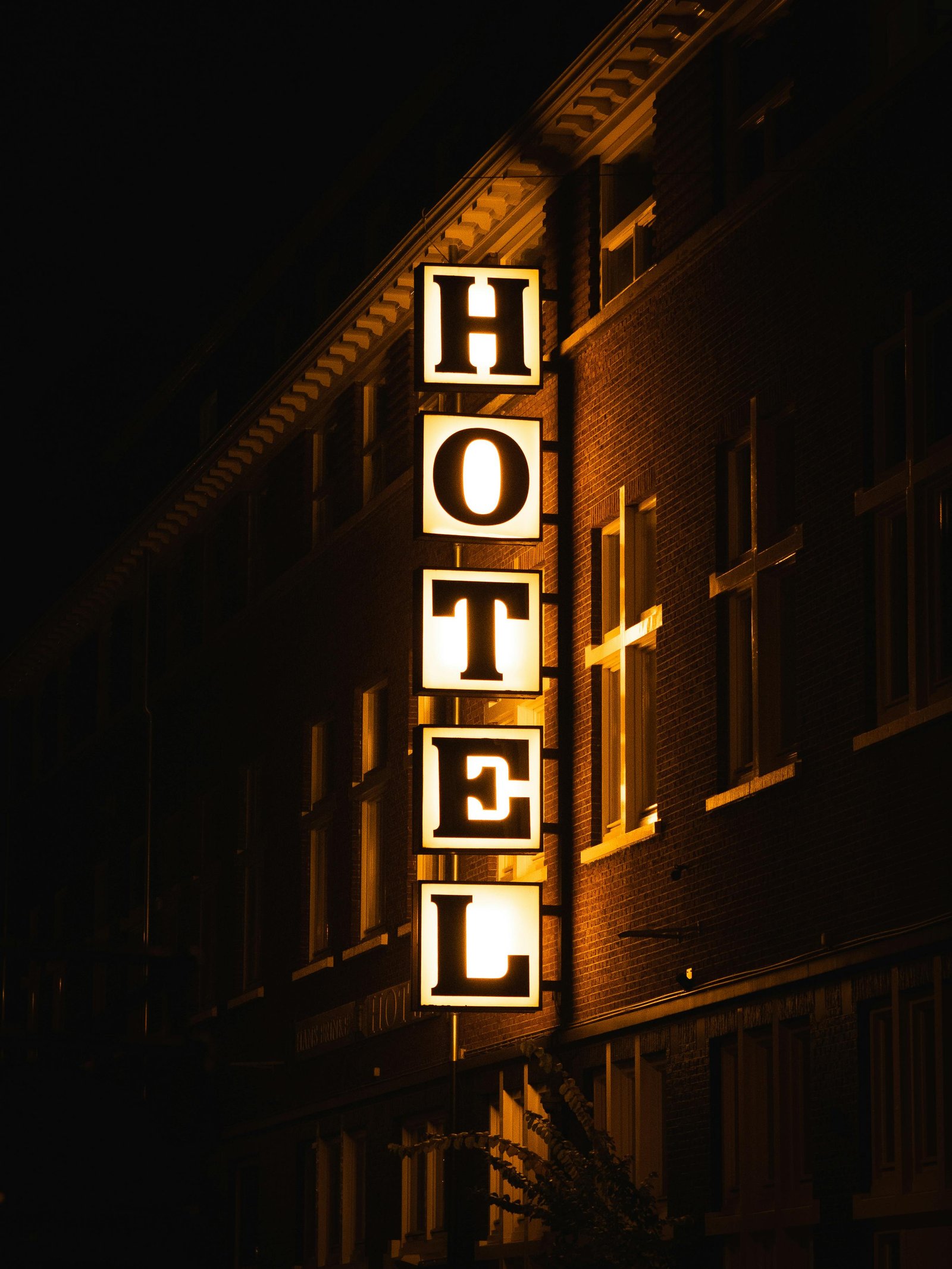
Introduction: In recent years, the hospitality industry has been making significant strides in integrating sustainable practices into its operations. Alongside energy-efficient heating and cooling systems and water conservation measures, hotels are now focusing on transforming their lighting systems to be more sustainable. Spain, known for its breathtaking landscapes and vibrant tourism industry, is taking a leading role in implementing green lighting initiatives. In this blog post, we will explore how hotels in Spain are embracing sustainable energy solutions to illuminate the way towards a greener future. 1. Energy-efficient Lighting for a Sustainable Stay: Hotels in Spain are increasingly moving towards energy-efficient lighting options, recognizing the environmental and cost-saving benefits they offer. Traditional incandescent bulbs are being replaced with LED (Light Emitting Diode) lights, which consume significantly less energy, last longer, and emit less heat. LED lighting also provides better quality illumination, enhancing guest experiences while reducing the hotel's carbon footprint. 2. Solar Power: Harnessing the Sun's Energy: Spain is fortunate to have abundant sunshine throughout the year, making it an ideal destination for harnessing solar power. Hotels are capitalizing on this renewable resource by installing solar panels to generate electricity for their lighting systems. Solar-powered lights in common areas, outdoor spaces, and guestrooms not only reduce energy consumption but also mitigate the impact on the environment by reducing greenhouse gas emissions. 3. Smart Lighting: Enhancing Efficiency and Comfort: Smart lighting systems are revolutionizing the hotel industry by providing enhanced control and customization. With advanced sensors and automation, these systems adjust lighting levels based on occupancy, time of day, and natural light availability. Guests can also have control over the lighting in their rooms through smart switches, allowing them to create a personalized ambiance while ensuring energy efficiency. 4. Collaborations and Government Incentives: The shift towards sustainable lighting solutions in Spanish hotels is further facilitated by collaborations between hotels, lighting manufacturers, and energy companies. These collaborations help hotels access the latest technology and resources to implement energy-efficient lighting systems. Moreover, the Spanish government offers incentives and grants for businesses embracing sustainable practices, providing financial support for hoteliers looking to invest in energy-efficient lighting. 5. Education and Awareness: Increased awareness about the environmental impact of lighting systems has led to a change in consumer preferences. Travelers are now seeking eco-friendly accommodations that prioritize sustainable practices, including lighting. As a result, hotels in Spain are not only implementing sustainable lighting solutions but also promoting their efforts to educate guests about the importance of energy conservation and responsible travel. Conclusion: The lighting industry is undergoing a sustainable revolution, and hotels in Spain are leading the charge towards a greener future. By embracing energy-efficient lighting options, harnessing solar power, adopting smart lighting systems, and collaborating with various stakeholders, Spanish hotels are illuminating their pathways towards sustainability. As travelers become more environmentally-conscious, the need for sustainable lighting in the hospitality industry will continue to grow. With innovative initiatives and ongoing commitment, Spanish hotels are setting an example for sustainable energy practices that can be emulated worldwide. More about this subject in http://www.nezeh.com To find answers, navigate to http://www.lumenwork.com Get more at http://www.alliancespot.com
Leave a Comment:
SEARCH
Recent News
- Zurich, Switzerland is a charming city known for its stunning architecture, picturesque landscapes, and vibrant culture. It is a popular destination for tourists from all over the world, offering a mix of historical sites, modern amenities, and breathtaking natural beauty. One of the must-visit places in Zurich is the old town, where you can stroll through narrow cobblestone streets lined with shops, cafes, and historic buildings.
- Zurich, Switzerland, and Sydney, Australia, are two popular travel destinations known for their unique charm and vibrant atmospheres. Travelers looking to explore these cities often seek comfortable accommodation options to enhance their stay. In this article, we will guide you through some top hotels in Sydney to consider for your next visit, and also delve into the beautiful city of Zurich and highlight some of its charming hotels.
- When it comes to content creation on YouTube, there are endless possibilities to explore. One interesting niche that creators can delve into is showcasing Tunisian hotels. Tunisia is known for its beautiful landscapes, rich history, and vibrant culture, making it an attractive destination for tourists from around the world.
- Are you interested in learning about YouTube content creation and translation in the context of Sydney hotels? I'm here to guide you through the process of producing engaging YouTube videos focusing on Sydney hotels and how to effectively translate your content to reach a wider audience.
- Tunisia is a beautiful country with stunning beaches, rich culture, and a colorful history. Tunisian hotels play a crucial role in the country's tourism industry, offering visitors a comfortable and luxurious stay during their vacation.
- Planning a trip to Sydney and looking for the best hotels to stay in? Look no further! In this blog post, we will introduce you to some of the top Sydney hotels that you can explore and consider for your stay.
- Tunisia is a beautiful North African country known for its rich history, stunning beaches, and vibrant culture. With its diverse landscapes ranging from the Sahara Desert to the Mediterranean Sea, Tunisia is a popular destination for tourists from all over the world. One major event that put Tunisia on the map in the sports world was when it hosted the FIFA World Cup in 1978.
- The World Cup is an exciting event that draws fans from all over the globe to experience the thrill of watching their favorite teams compete on the world stage. And when it comes to attending matches in Sydney, finding the perfect hotel is key to making the most of your World Cup experience.
READ MORE
10 months ago Category : nacnoc

Zurich, Switzerland is a charming city known for its stunning architecture, picturesque landscapes, and vibrant culture. It is a popular destination for tourists from all over the world, offering a mix of historical sites, modern amenities, and breathtaking natural beauty. One of the must-visit places in Zurich is the old town, where you can stroll through narrow cobblestone streets lined with shops, cafes, and historic buildings.
Read More →10 months ago Category : nacnoc

Zurich, Switzerland, and Sydney, Australia, are two popular travel destinations known for their unique charm and vibrant atmospheres. Travelers looking to explore these cities often seek comfortable accommodation options to enhance their stay. In this article, we will guide you through some top hotels in Sydney to consider for your next visit, and also delve into the beautiful city of Zurich and highlight some of its charming hotels.
Read More →10 months ago Category : nacnoc

When it comes to content creation on YouTube, there are endless possibilities to explore. One interesting niche that creators can delve into is showcasing Tunisian hotels. Tunisia is known for its beautiful landscapes, rich history, and vibrant culture, making it an attractive destination for tourists from around the world.
Read More →10 months ago Category : nacnoc
