Lighting the Way: Designing Nearly Zero Energy Hotels in Europe
Category : nacnoc | Sub Category : nacnoc Posted on 2023-10-30 21:24:53
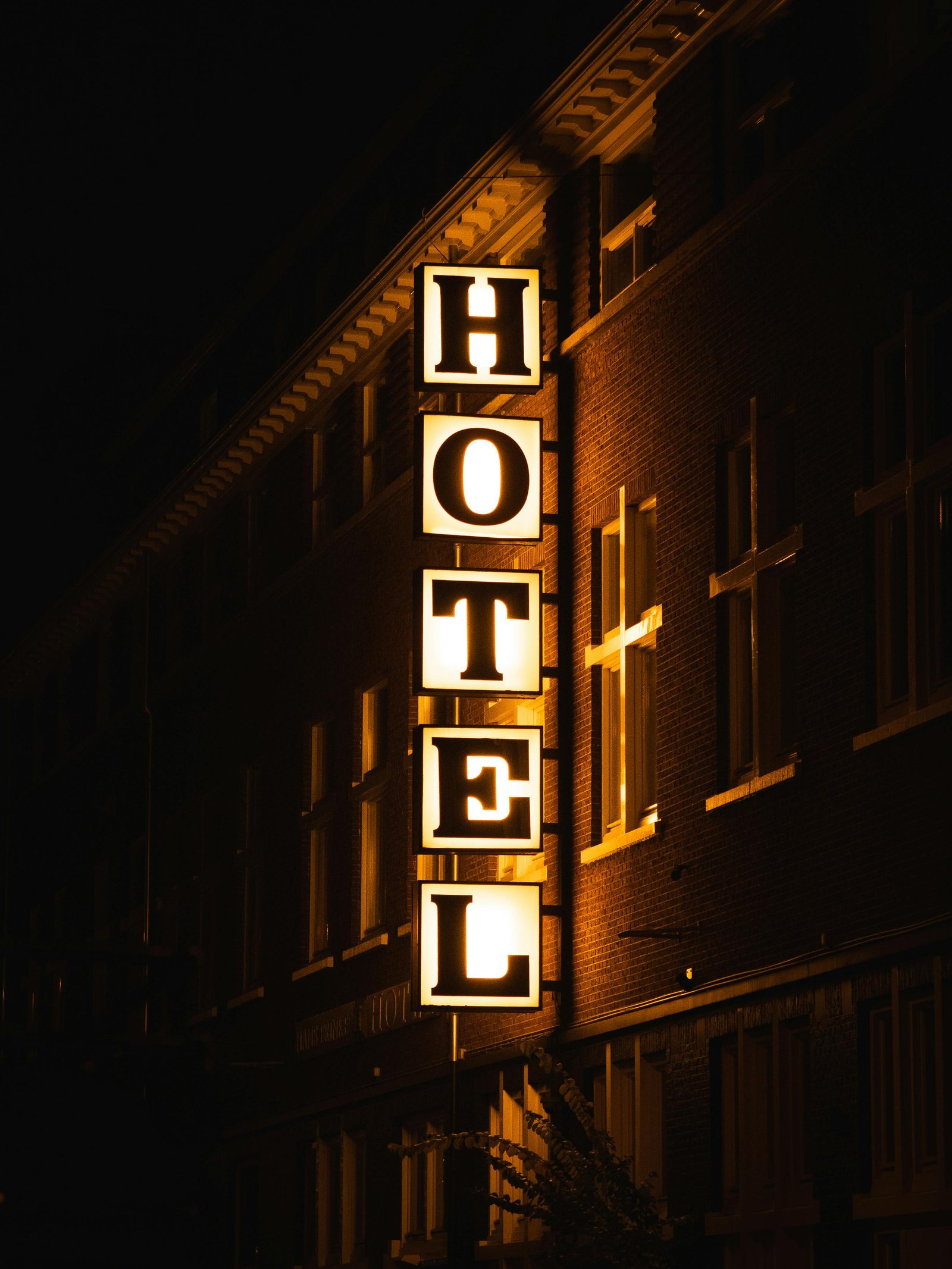
Introduction: As the world grapples with the challenges of climate change, the hospitality industry is stepping up to reduce its environmental impact. In particular, lighting in hotels plays a crucial role in achieving sustainability goals. In this blog post, we'll explore how hotels in Europe are embracing the concept of nearly zero energy lighting to enhance guest experiences while minimizing their carbon footprint. 1. The Power of Lighting in Hospitality: Lighting is an essential aspect of hotel design, creating ambiance and setting the mood for guests. However, it also accounts for a significant portion of energy consumption. By adopting efficient lighting systems, hotels can substantially reduce their energy usage, operational costs, and greenhouse gas emissions. This shift towards nearly zero energy lighting aligns with the European Union's ambitious targets for carbon neutrality by 2050. 2. Embracing LED Technology: One of the key strategies for achieving energy efficiency in hotel lighting is the widespread adoption of LED technology. LED (Light-Emitting Diode) lights are highly efficient, consume less energy, and have a longer lifespan compared to traditional incandescent or fluorescent bulbs. By replacing outdated lighting fixtures with LED alternatives, hotels can significantly reduce their energy consumption while maintaining a welcoming atmosphere for guests. 3. Intelligent Lighting Controls: In addition to LED technology, intelligent lighting controls are instrumental in achieving nearly zero energy lighting in hotels. These systems incorporate sensors, timers, and occupancy detectors to optimize lighting usage based on actual occupancy patterns in guest rooms, corridors, and common areas. By automatically adjusting light levels or turning off lights when they are not needed, these smart systems minimize electricity waste and further enhance energy efficiency. 4. Integrating Natural Light: Maximizing natural light is a sustainable design principle embraced by many hotels aiming for nearly zero energy lighting. Thoughtfully designed windows, skylights, and other architectural elements allow an abundance of natural light to illuminate interior spaces during the day. This reduces the requirement for artificial lighting and creates a more comfortable and inviting environment for guests. 5. Balancing Design and Sustainability: While energy efficiency is paramount, hotels must also balance their sustainability goals with aesthetically pleasing and functional design elements. Incorporating energy-saving lighting design, such as indirect lighting or using warm color temperatures, can create a cozy and inviting atmosphere without compromising on efficiency. Additionally, selecting fixtures made from sustainable materials and implementing efficient maintenance protocols can further reduce the hotel's ecological footprint. 6. Showcasing Sustainability to Guests: Hotels that embrace nearly zero energy lighting can leverage their sustainable practices to attract environmentally conscious guests. By highlighting their commitment to energy efficiency, hotels can differentiate themselves in the competitive hospitality industry and appeal to guests who prioritize sustainability in their travel choices. Communicating these efforts through marketing materials and in-room information encourages guests to join in the sustainability journey. Conclusion: The hospitality industry in Europe is making impressive strides in lighting technology to achieve nearly zero energy hotels. By embracing LED lighting, intelligent controls, maximizing natural light, and implementing sustainable design principles, hotels can significantly reduce their carbon footprint while maintaining a welcoming and comfortable environment for their guests. The push towards sustainable lighting not only benefits the environment but also positions hotels as leaders in the global effort to combat climate change. for more http://www.nezeh.com click the following link for more information: http://www.lumenwork.com For additional information, refer to: http://www.alliancespot.com
Leave a Comment:
SEARCH
Recent News
- Zurich, Switzerland is a charming city known for its stunning architecture, picturesque landscapes, and vibrant culture. It is a popular destination for tourists from all over the world, offering a mix of historical sites, modern amenities, and breathtaking natural beauty. One of the must-visit places in Zurich is the old town, where you can stroll through narrow cobblestone streets lined with shops, cafes, and historic buildings.
- Zurich, Switzerland, and Sydney, Australia, are two popular travel destinations known for their unique charm and vibrant atmospheres. Travelers looking to explore these cities often seek comfortable accommodation options to enhance their stay. In this article, we will guide you through some top hotels in Sydney to consider for your next visit, and also delve into the beautiful city of Zurich and highlight some of its charming hotels.
- When it comes to content creation on YouTube, there are endless possibilities to explore. One interesting niche that creators can delve into is showcasing Tunisian hotels. Tunisia is known for its beautiful landscapes, rich history, and vibrant culture, making it an attractive destination for tourists from around the world.
- Are you interested in learning about YouTube content creation and translation in the context of Sydney hotels? I'm here to guide you through the process of producing engaging YouTube videos focusing on Sydney hotels and how to effectively translate your content to reach a wider audience.
- Tunisia is a beautiful country with stunning beaches, rich culture, and a colorful history. Tunisian hotels play a crucial role in the country's tourism industry, offering visitors a comfortable and luxurious stay during their vacation.
- Planning a trip to Sydney and looking for the best hotels to stay in? Look no further! In this blog post, we will introduce you to some of the top Sydney hotels that you can explore and consider for your stay.
- Tunisia is a beautiful North African country known for its rich history, stunning beaches, and vibrant culture. With its diverse landscapes ranging from the Sahara Desert to the Mediterranean Sea, Tunisia is a popular destination for tourists from all over the world. One major event that put Tunisia on the map in the sports world was when it hosted the FIFA World Cup in 1978.
- The World Cup is an exciting event that draws fans from all over the globe to experience the thrill of watching their favorite teams compete on the world stage. And when it comes to attending matches in Sydney, finding the perfect hotel is key to making the most of your World Cup experience.
READ MORE
5 months ago Category : nacnoc

Zurich, Switzerland is a charming city known for its stunning architecture, picturesque landscapes, and vibrant culture. It is a popular destination for tourists from all over the world, offering a mix of historical sites, modern amenities, and breathtaking natural beauty. One of the must-visit places in Zurich is the old town, where you can stroll through narrow cobblestone streets lined with shops, cafes, and historic buildings.
Read More →5 months ago Category : nacnoc

Zurich, Switzerland, and Sydney, Australia, are two popular travel destinations known for their unique charm and vibrant atmospheres. Travelers looking to explore these cities often seek comfortable accommodation options to enhance their stay. In this article, we will guide you through some top hotels in Sydney to consider for your next visit, and also delve into the beautiful city of Zurich and highlight some of its charming hotels.
Read More →5 months ago Category : nacnoc

When it comes to content creation on YouTube, there are endless possibilities to explore. One interesting niche that creators can delve into is showcasing Tunisian hotels. Tunisia is known for its beautiful landscapes, rich history, and vibrant culture, making it an attractive destination for tourists from around the world.
Read More →5 months ago Category : nacnoc
