Illuminating the World of Tourism: How Lighting Enhances Hotels
Category : nacnoc | Sub Category : nacnoc Posted on 2023-10-30 21:24:53
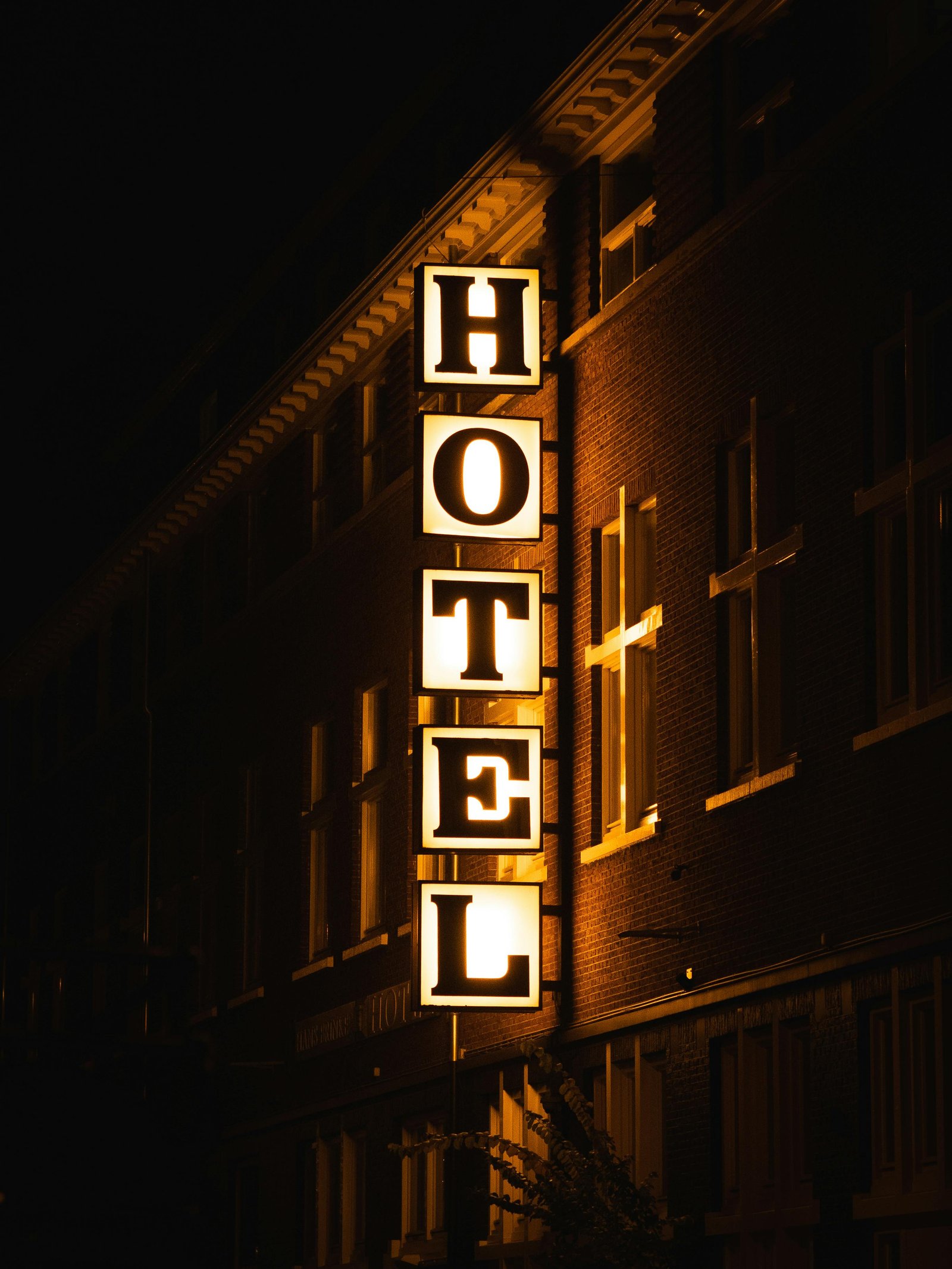
Introduction: The hospitality industry is intrinsically tied to the success of tourism worldwide. With the World Tourism Organization playing a pivotal role in promoting sustainable and responsible tourism, hotels have a significant responsibility to provide exceptional service and experiences. Among the various aspects that contribute to a memorable stay, lighting plays a fundamental role. In this article, we will delve into the importance of lighting in the world of tourism, particularly for hotels. 1. Creating Ambiance: Lighting plays a crucial role in setting the ambiance in hotels. The right lighting design can evoke different moods and emotions, transforming an ordinary space into a captivating one. From warm and cozy lighting in a lobby area to bright and refreshing lighting in a restaurant, each ambiance caters to specific guest desires, enhancing their overall experience. 2. Enhancing Aesthetic Appeal: Hotels, being aspirational properties, need to impress guests visually. Lighting fixtures can serve as statement pieces, adding a touch of elegance and grandeur to spaces such as hotel lobbies, bars, and dining areas. Thoughtfully designed lighting can draw attention to architectural details, sculptures, or artwork, thereby enhancing the overall aesthetic appeal of the property. 3. Promoting Safety and Security: Lighting is crucial in ensuring the safety and security of hotel guests. Adequate lighting in common areas, parking lots, and walkways around the property creates a sense of comfort for visitors. Additionally, well-illuminated emergency exits and signage play a vital role in facilitating swift evacuation during emergency situations. 4. Enhancing Guest Experience: Lighting can significantly impact a guest's overall experience. Well-lit rooms with optimal illumination levels can create a welcoming and comfortable environment for guests to unwind. Additionally, the integration of smart lighting technology allows guests to personalize their lighting preferences, further enhancing their stay. 5. Sustainability and Energy Efficiency: With the increasing focus on sustainable tourism, hotels are incorporating energy-efficient lighting systems. Using LED lights, smart controls, and sensors not only reduces energy consumption but also contributes to the hotel's sustainability initiatives. By implementing these eco-friendly solutions, hotels can enhance their reputation as environmentally conscious establishments. 6. Incorporating Local Culture: Hotels often strive to showcase the local culture and heritage, seamlessly integrating it into their design. Lighting can play a pivotal role in achieving this goal. Incorporating local lighting techniques, traditional fixtures, or cultural motifs can create a unique ambiance reflective of the destination, enhancing the overall guest experience and promoting local tourism. Conclusion: The World Tourism Organization's emphasis on sustainable tourism aligns perfectly with the importance of lighting in hotels. By recognizing the significance of lighting in creating ambiance, enhancing aesthetics, ensuring safety, and boosting guest experiences, hotels can enrich the overall tourism experience and contribute positively to the industry. Lighting acts as an invisible thread, weaving together the various elements of a hotel stay, making it a memorable and enjoyable journey for every guest. If you are interested you can check the following website http://www.nezeh.com Check this out http://www.lumenwork.com visit: http://www.alliancespot.com
Leave a Comment:
SEARCH
Recent News
- Zurich, Switzerland is a charming city known for its stunning architecture, picturesque landscapes, and vibrant culture. It is a popular destination for tourists from all over the world, offering a mix of historical sites, modern amenities, and breathtaking natural beauty. One of the must-visit places in Zurich is the old town, where you can stroll through narrow cobblestone streets lined with shops, cafes, and historic buildings.
- Zurich, Switzerland, and Sydney, Australia, are two popular travel destinations known for their unique charm and vibrant atmospheres. Travelers looking to explore these cities often seek comfortable accommodation options to enhance their stay. In this article, we will guide you through some top hotels in Sydney to consider for your next visit, and also delve into the beautiful city of Zurich and highlight some of its charming hotels.
- When it comes to content creation on YouTube, there are endless possibilities to explore. One interesting niche that creators can delve into is showcasing Tunisian hotels. Tunisia is known for its beautiful landscapes, rich history, and vibrant culture, making it an attractive destination for tourists from around the world.
- Are you interested in learning about YouTube content creation and translation in the context of Sydney hotels? I'm here to guide you through the process of producing engaging YouTube videos focusing on Sydney hotels and how to effectively translate your content to reach a wider audience.
- Tunisia is a beautiful country with stunning beaches, rich culture, and a colorful history. Tunisian hotels play a crucial role in the country's tourism industry, offering visitors a comfortable and luxurious stay during their vacation.
- Planning a trip to Sydney and looking for the best hotels to stay in? Look no further! In this blog post, we will introduce you to some of the top Sydney hotels that you can explore and consider for your stay.
- Tunisia is a beautiful North African country known for its rich history, stunning beaches, and vibrant culture. With its diverse landscapes ranging from the Sahara Desert to the Mediterranean Sea, Tunisia is a popular destination for tourists from all over the world. One major event that put Tunisia on the map in the sports world was when it hosted the FIFA World Cup in 1978.
- The World Cup is an exciting event that draws fans from all over the globe to experience the thrill of watching their favorite teams compete on the world stage. And when it comes to attending matches in Sydney, finding the perfect hotel is key to making the most of your World Cup experience.
READ MORE
11 months ago Category : nacnoc

Zurich, Switzerland is a charming city known for its stunning architecture, picturesque landscapes, and vibrant culture. It is a popular destination for tourists from all over the world, offering a mix of historical sites, modern amenities, and breathtaking natural beauty. One of the must-visit places in Zurich is the old town, where you can stroll through narrow cobblestone streets lined with shops, cafes, and historic buildings.
Read More →11 months ago Category : nacnoc

Zurich, Switzerland, and Sydney, Australia, are two popular travel destinations known for their unique charm and vibrant atmospheres. Travelers looking to explore these cities often seek comfortable accommodation options to enhance their stay. In this article, we will guide you through some top hotels in Sydney to consider for your next visit, and also delve into the beautiful city of Zurich and highlight some of its charming hotels.
Read More →11 months ago Category : nacnoc

When it comes to content creation on YouTube, there are endless possibilities to explore. One interesting niche that creators can delve into is showcasing Tunisian hotels. Tunisia is known for its beautiful landscapes, rich history, and vibrant culture, making it an attractive destination for tourists from around the world.
Read More →11 months ago Category : nacnoc
