Owls and the Rise of Nearly Zero Energy Hotels in France
Category : nacnoc | Sub Category : nacnoc Posted on 2023-10-30 21:24:53
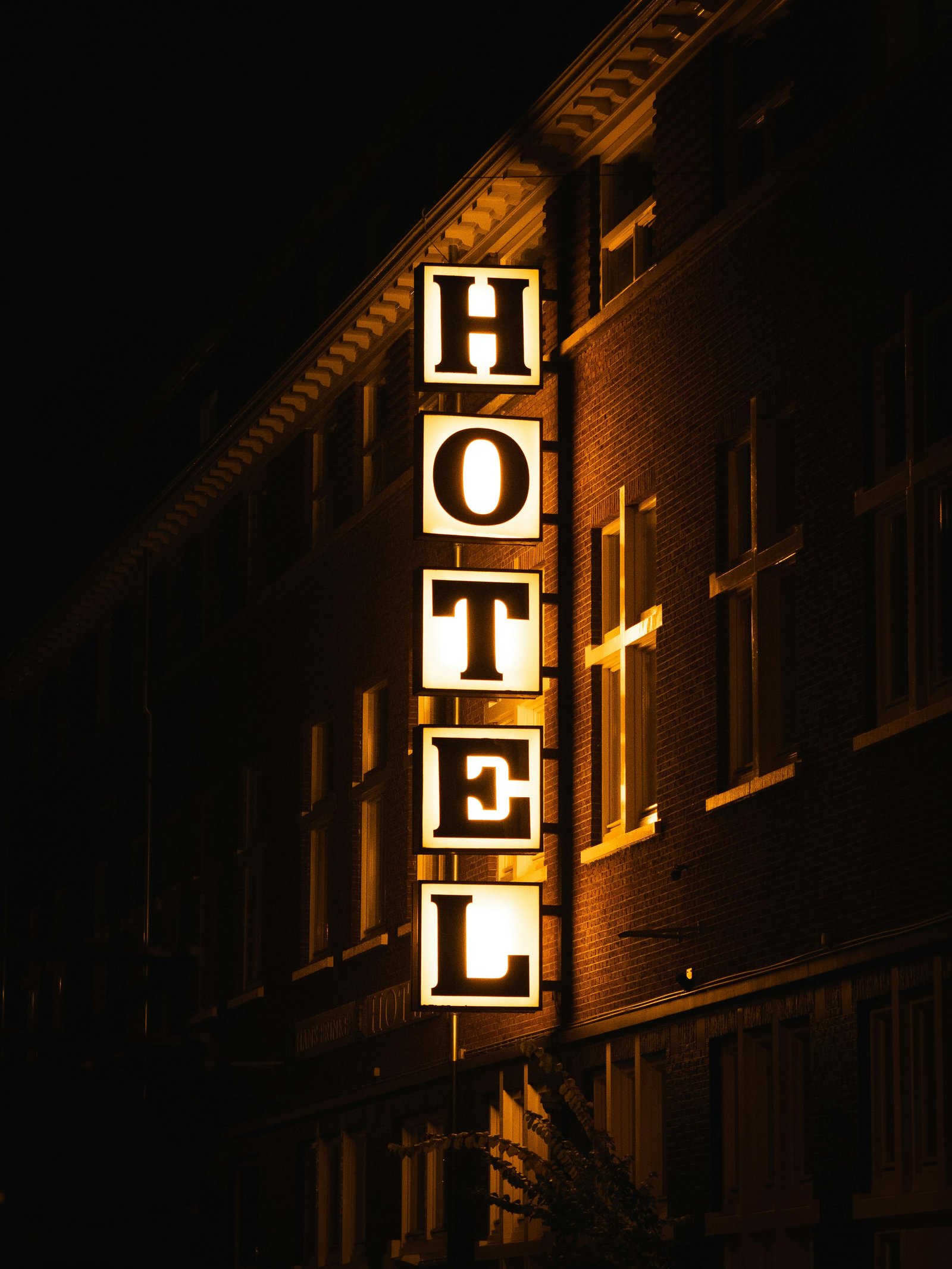
Introduction: As the world becomes more aware of the urgent need to combat climate change, France has taken a major step forward in promoting sustainable tourism by embracing the concept of nearly zero energy hotels. These innovative accommodations not only reduce their environmental footprint but also provide a unique experience for eco-conscious travelers. In this article, we will explore how owls play a surprising role in the success of these energy-efficient hotels in France. 1. Understanding Nearly Zero Energy Hotels: Nearly Zero Energy Hotels (NZEHs) are eco-friendly accommodations that aim to minimize their energy consumption and carbon emissions. These hotels integrate renewable energy sources, such as solar panels and geothermal systems, to meet the majority of their energy requirements. They also utilize advanced insulation materials, efficient heating, ventilation, and air conditioning systems, and intelligent energy management systems to reduce energy waste. 2. The Role of Owls in NZEHs: One might wonder how owls are connected to nearly zero energy hotels. Well, it turns out that these magnificent birds help to maintain the ecological balance around these eco-friendly establishments. Owls are natural pest controllers, and their presence in the hotel surroundings helps to limit the population of small mammals and rodents. This, in turn, reduces the need for harmful pesticides, ensuring a safer and more sustainable environment. 3. Owl Nesting Boxes: To encourage owls to take up residence near NZEHs, many hotels have started installing owl nesting boxes within their premises. These purpose-built boxes provide a safe and comfortable habitat for owls to nest and raise their young. By providing this nesting opportunity, hotels not only attract owls but also contribute to the conservation of these magnificent creatures. 4. Natural Pest Control: Owls are renowned for their hunting prowess. Their sharp talons and exceptional night vision make them formidable predators of rodents, such as mice and voles. By preying on these pests, owls help keep their populations in check, preventing damage to hotel structures and gardens. This natural pest control method eliminates the need for harmful chemicals, making NZEHs even more eco-friendly. 5. Ecotourism and Education: Aside from their practical benefits, owls also add a touch of intrigue and fascination to NZEHs. Many hotels organize educational programs and guided tours, allowing guests to learn about the importance of owls in maintaining a healthy ecosystem. These programs highlight the interconnectedness of the environment and provide an opportunity for visitors to engage with nature in a meaningful way. Conclusion: As nearly zero energy hotels gain popularity throughout France, owls have emerged as unlikely allies in the battle against climate change. By establishing nesting boxes and encouraging the presence of these magnificent birds, hotels not only benefit from natural pest control but also contribute to the preservation of local wildlife. Ultimately, the blending of sustainable tourism and the protection of biodiversity leads to a more harmonious and environmentally conscious future. So, the next time you plan a trip to France, consider staying at a nearly zero energy hotel and witness the incredible role that owls play in shaping sustainable tourism. For a different angle, consider what the following has to say. http://www.nezeh.com visit: http://www.owlo.org
Leave a Comment:
SEARCH
Recent News
- Zurich, Switzerland is a charming city known for its stunning architecture, picturesque landscapes, and vibrant culture. It is a popular destination for tourists from all over the world, offering a mix of historical sites, modern amenities, and breathtaking natural beauty. One of the must-visit places in Zurich is the old town, where you can stroll through narrow cobblestone streets lined with shops, cafes, and historic buildings.
- Zurich, Switzerland, and Sydney, Australia, are two popular travel destinations known for their unique charm and vibrant atmospheres. Travelers looking to explore these cities often seek comfortable accommodation options to enhance their stay. In this article, we will guide you through some top hotels in Sydney to consider for your next visit, and also delve into the beautiful city of Zurich and highlight some of its charming hotels.
- When it comes to content creation on YouTube, there are endless possibilities to explore. One interesting niche that creators can delve into is showcasing Tunisian hotels. Tunisia is known for its beautiful landscapes, rich history, and vibrant culture, making it an attractive destination for tourists from around the world.
- Are you interested in learning about YouTube content creation and translation in the context of Sydney hotels? I'm here to guide you through the process of producing engaging YouTube videos focusing on Sydney hotels and how to effectively translate your content to reach a wider audience.
- Tunisia is a beautiful country with stunning beaches, rich culture, and a colorful history. Tunisian hotels play a crucial role in the country's tourism industry, offering visitors a comfortable and luxurious stay during their vacation.
- Planning a trip to Sydney and looking for the best hotels to stay in? Look no further! In this blog post, we will introduce you to some of the top Sydney hotels that you can explore and consider for your stay.
- Tunisia is a beautiful North African country known for its rich history, stunning beaches, and vibrant culture. With its diverse landscapes ranging from the Sahara Desert to the Mediterranean Sea, Tunisia is a popular destination for tourists from all over the world. One major event that put Tunisia on the map in the sports world was when it hosted the FIFA World Cup in 1978.
- The World Cup is an exciting event that draws fans from all over the globe to experience the thrill of watching their favorite teams compete on the world stage. And when it comes to attending matches in Sydney, finding the perfect hotel is key to making the most of your World Cup experience.
READ MORE
6 months ago Category : nacnoc

Zurich, Switzerland is a charming city known for its stunning architecture, picturesque landscapes, and vibrant culture. It is a popular destination for tourists from all over the world, offering a mix of historical sites, modern amenities, and breathtaking natural beauty. One of the must-visit places in Zurich is the old town, where you can stroll through narrow cobblestone streets lined with shops, cafes, and historic buildings.
Read More →6 months ago Category : nacnoc

Zurich, Switzerland, and Sydney, Australia, are two popular travel destinations known for their unique charm and vibrant atmospheres. Travelers looking to explore these cities often seek comfortable accommodation options to enhance their stay. In this article, we will guide you through some top hotels in Sydney to consider for your next visit, and also delve into the beautiful city of Zurich and highlight some of its charming hotels.
Read More →6 months ago Category : nacnoc

When it comes to content creation on YouTube, there are endless possibilities to explore. One interesting niche that creators can delve into is showcasing Tunisian hotels. Tunisia is known for its beautiful landscapes, rich history, and vibrant culture, making it an attractive destination for tourists from around the world.
Read More →6 months ago Category : nacnoc
