Creating Pet-Friendly Nearly Zero Energy Building Strategies for Hotels in Europe
Category : nacnoc | Sub Category : nacnoc Posted on 2023-10-30 21:24:53
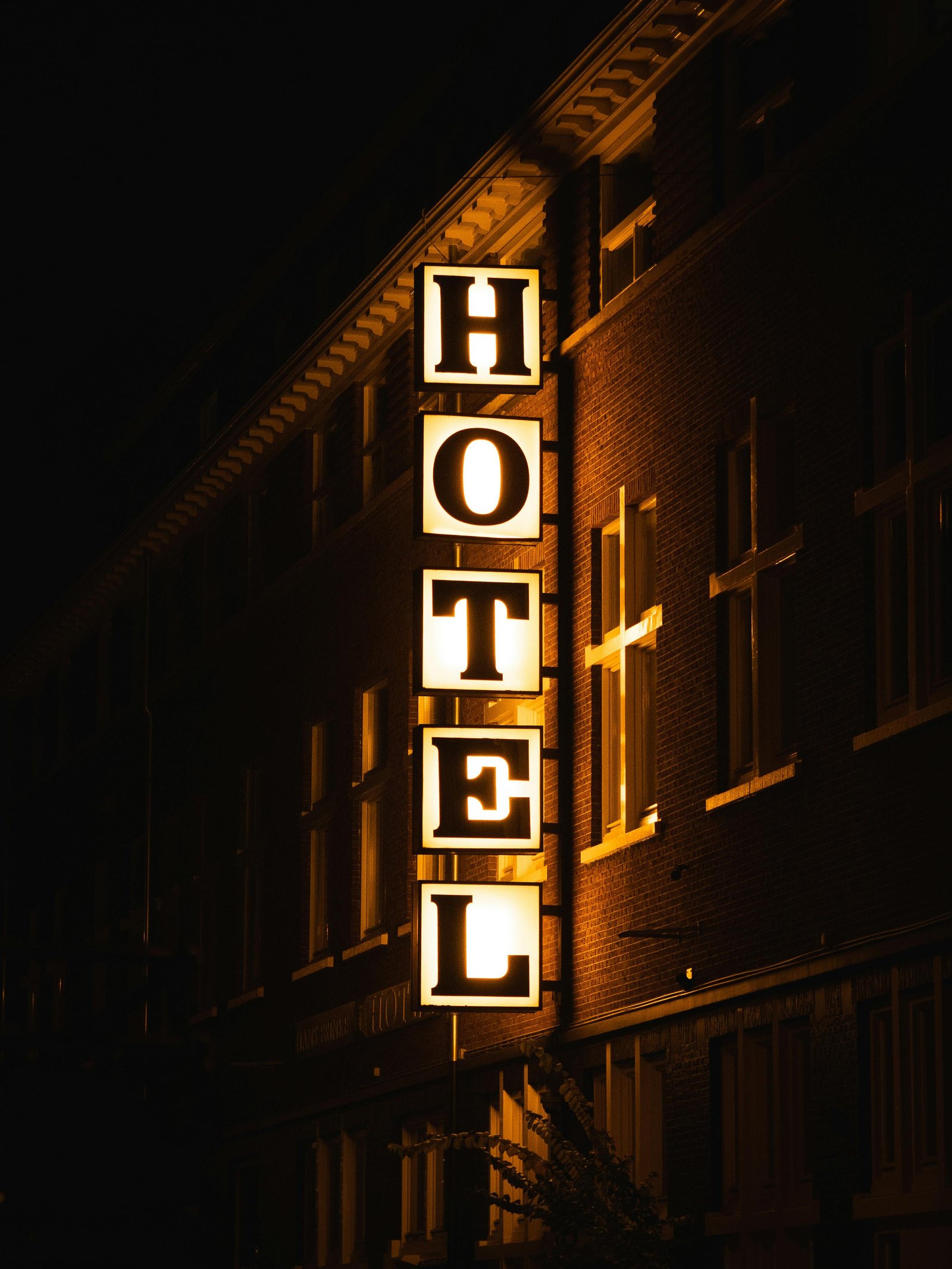
Introduction: As the hospitality industry continues to prioritize sustainability and energy efficiency, hotels are exploring ways to reduce their carbon footprint. One emerging trend is the concept of nearly zero-energy buildings (NZEBs). These buildings aim to achieve high energy performance while utilizing renewable energy sources. In line with this, it's essential for hotels to develop pet-friendly NZEB strategies to accommodate furry companions without compromising on sustainability. In this blog post, we'll explore the importance of NZEBs and provide insights into creating pet-friendly energy-efficient hotels in Europe. Why NZEBs? Nearly zero-energy buildings are designed to consume very little energy, mainly relying on renewable sources and maximizing energy efficiency. In recent years, the European Union has set ambitious goals to ensure that all new buildings are NZEBs by 2020. These buildings not only minimize greenhouse gas emissions but also significantly reduce energy consumption. By implementing NZEB strategies, hotels can lead the way in sustainable hospitality practices. Recognizing the Importance of Pet-Friendly Accommodations: Pets are an integral part of many people's lives, and when planning a trip, pet owners often seek accommodations that welcome their furry companions. Hotels that understand the significant role pets play in travelers' decisions gain a competitive advantage. Incorporating pet-friendly policies and facilities not only attracts more guests but also promotes responsible pet ownership. Strategies for Creating Pet-Friendly NZEBs: 1. Efficient Ventilation Systems: Pet-friendly hotel rooms should be equipped with proper ventilation systems that ensure fresh air circulation and maintain indoor air quality. High-quality air filters and systems with heat recovery capabilities enhance energy efficiency while keeping the environment comfortable for both pets and guests. 2. Smart Lighting and Temperature Control: Incorporating automated lighting systems and smart thermostats regulates energy consumption based on occupancy. This saves energy when rooms are unoccupied, but also ensures a comfortable environment for pets and guests at all times. 3. Sustainable Materials: Opt for locally sourced, eco-friendly materials during the construction and renovation process. This includes pet-friendly materials that can withstand wear and tear while being easy to clean. Choosing sustainable materials reduces the environmental impact and promotes a healthy indoor environment. 4. Outdoor Pet Amenities: Designing outdoor spaces in NZEB hotels specifically for pets is crucial. Dedicated dog parks, pet exercise areas, and waste disposal stations not only cater to guests' needs but also promote responsible pet ownership. Utilize solar-powered lighting fixtures for these areas to further enhance energy savings. 5. Energy-Efficient Pet Services: Offering energy-efficient pet amenities such as low-energy consumption grooming equipment and automated feeding systems helps minimize energy wastage. Providing these services shows a commitment to sustainability while showcasing the hotel's pet-friendly approach. Conclusion: Pet-friendly hotels playing a significant role in the tourism industry, NZEB strategies can be tailored to accommodate furry friends while prioritizing energy efficiency and sustainability. By incorporating features like efficient ventilation systems, smart lighting and temperature control, sustainable materials, outdoor pet amenities, and energy-efficient pet services, hotels can create an optimal environment for pets and guests alike. Embracing pet-friendly NZEBs not only attracts eco-conscious travelers but also sets a new standard for sustainable and responsible tourism in Europe. For expert commentary, delve into http://www.nezeh.com sources: http://www.qqhbo.com
Leave a Comment:
SEARCH
Recent News
- Zurich, Switzerland is a charming city known for its stunning architecture, picturesque landscapes, and vibrant culture. It is a popular destination for tourists from all over the world, offering a mix of historical sites, modern amenities, and breathtaking natural beauty. One of the must-visit places in Zurich is the old town, where you can stroll through narrow cobblestone streets lined with shops, cafes, and historic buildings.
- Zurich, Switzerland, and Sydney, Australia, are two popular travel destinations known for their unique charm and vibrant atmospheres. Travelers looking to explore these cities often seek comfortable accommodation options to enhance their stay. In this article, we will guide you through some top hotels in Sydney to consider for your next visit, and also delve into the beautiful city of Zurich and highlight some of its charming hotels.
- When it comes to content creation on YouTube, there are endless possibilities to explore. One interesting niche that creators can delve into is showcasing Tunisian hotels. Tunisia is known for its beautiful landscapes, rich history, and vibrant culture, making it an attractive destination for tourists from around the world.
- Are you interested in learning about YouTube content creation and translation in the context of Sydney hotels? I'm here to guide you through the process of producing engaging YouTube videos focusing on Sydney hotels and how to effectively translate your content to reach a wider audience.
- Tunisia is a beautiful country with stunning beaches, rich culture, and a colorful history. Tunisian hotels play a crucial role in the country's tourism industry, offering visitors a comfortable and luxurious stay during their vacation.
- Planning a trip to Sydney and looking for the best hotels to stay in? Look no further! In this blog post, we will introduce you to some of the top Sydney hotels that you can explore and consider for your stay.
- Tunisia is a beautiful North African country known for its rich history, stunning beaches, and vibrant culture. With its diverse landscapes ranging from the Sahara Desert to the Mediterranean Sea, Tunisia is a popular destination for tourists from all over the world. One major event that put Tunisia on the map in the sports world was when it hosted the FIFA World Cup in 1978.
- The World Cup is an exciting event that draws fans from all over the globe to experience the thrill of watching their favorite teams compete on the world stage. And when it comes to attending matches in Sydney, finding the perfect hotel is key to making the most of your World Cup experience.
READ MORE
9 months ago Category : nacnoc

Zurich, Switzerland is a charming city known for its stunning architecture, picturesque landscapes, and vibrant culture. It is a popular destination for tourists from all over the world, offering a mix of historical sites, modern amenities, and breathtaking natural beauty. One of the must-visit places in Zurich is the old town, where you can stroll through narrow cobblestone streets lined with shops, cafes, and historic buildings.
Read More →9 months ago Category : nacnoc

Zurich, Switzerland, and Sydney, Australia, are two popular travel destinations known for their unique charm and vibrant atmospheres. Travelers looking to explore these cities often seek comfortable accommodation options to enhance their stay. In this article, we will guide you through some top hotels in Sydney to consider for your next visit, and also delve into the beautiful city of Zurich and highlight some of its charming hotels.
Read More →9 months ago Category : nacnoc

When it comes to content creation on YouTube, there are endless possibilities to explore. One interesting niche that creators can delve into is showcasing Tunisian hotels. Tunisia is known for its beautiful landscapes, rich history, and vibrant culture, making it an attractive destination for tourists from around the world.
Read More →9 months ago Category : nacnoc
