Unmasking Scams: The Truth About Nearly Zero Energy Hotels in France
Category : nacnoc | Sub Category : nacnoc Posted on 2023-10-30 21:24:53
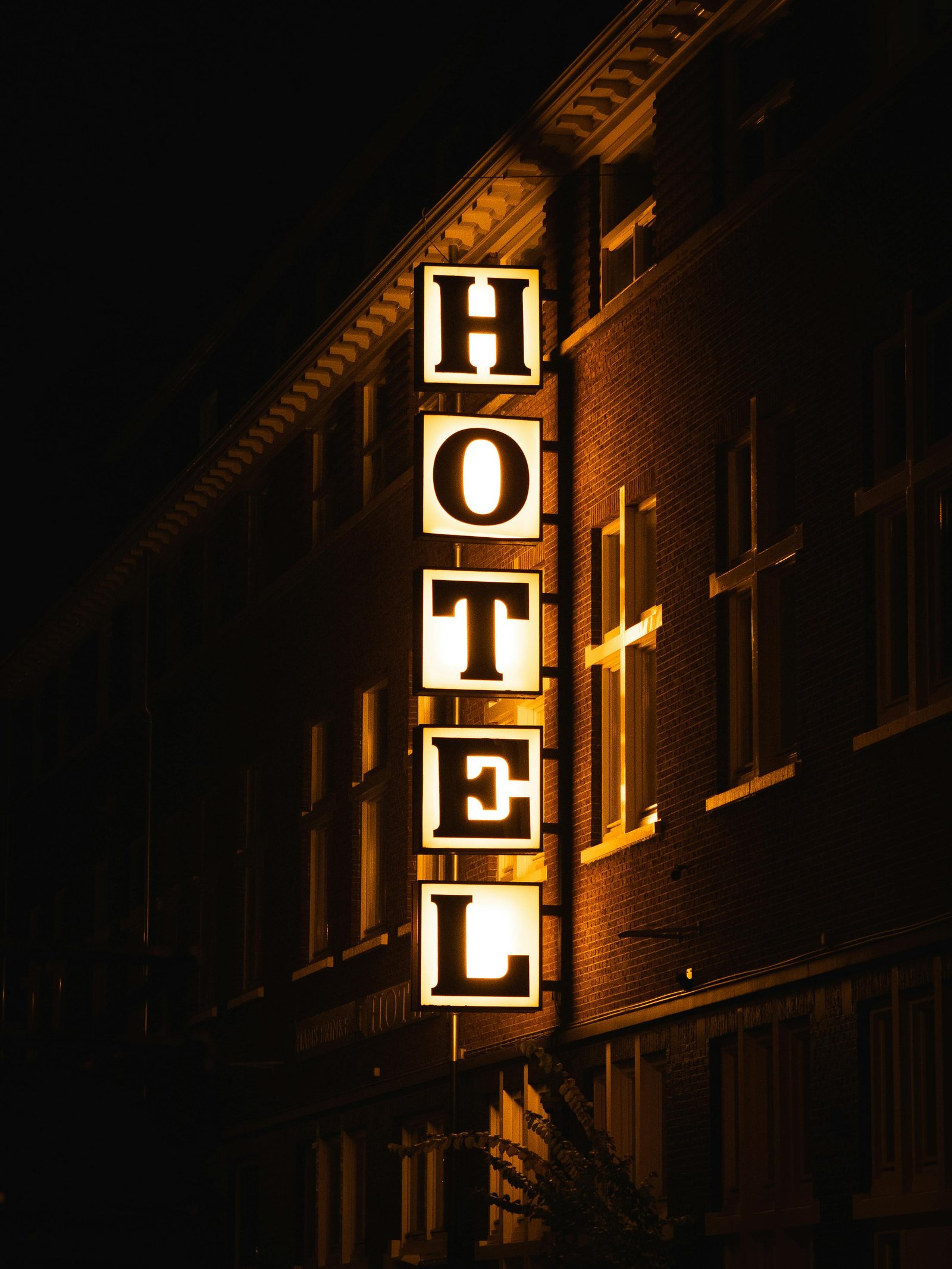
Introduction: With sustainability becoming a top priority in the global hospitality industry, many hotels in France are embracing the concept of nearly zero-energy buildings (nZEBs). These state-of-the-art accommodations aim to minimize the environmental impact while providing guests with comfort and luxury. However, amidst this progressive movement, it is essential to be aware of potential scams that may exploit the growing interest in eco-friendly hotels. In this blog post, we shed light on the truth behind scams related to nearly zero-energy hotels in France, helping travelers make informed decisions. Understanding Nearly Zero Energy Hotels: Nearly zero-energy hotels are designed to reduce energy consumption through cutting-edge technologies, renewable energy sources, and energy-efficient building materials. These establishments use advanced insulation methods, incorporate solar panels, geothermal systems, and employ energy management systems to ensure optimized energy usage. By combining these innovative solutions, these hotels can significantly decrease their environmental footprint while providing guests with a comfortable and sustainable experience. The Rising Trend and Scam Risks: As the trend of nearly zero-energy hotels continues to gain popularity in France, unscrupulous individuals may attempt to deceive unsuspecting travelers with misleading claims and false advertisements. These scams typically involve hotels labeling themselves as nZEBs without adhering to the necessary energy-saving standards. In some cases, scam hotels may exaggerate their sustainability practices, misleading guests into believing they are contributing to a greener future when, in reality, they are not. How to Spot a Scam: To protect yourself from falling victim to a nearly zero-energy hotel scam, it is important to be aware of the warning signs and take necessary precautions: 1. Research and Verify: Before booking a stay, research the hotel's claims about its sustainability practices. Look for independent certifications such as the French HQE (Haute Qualit Environnementale) label or the European Union's Nearly Zero-Energy Building standards. These certifications ensure that hotels meet specific energy-saving criteria. 2. Check Reviews: Browse through reliable review websites and social media platforms to check for guest feedback. Pay attention to reviews that mention the hotel's energy-saving initiatives, as they can provide valuable insights into a hotel's actual sustainability efforts. 3. Transparent Information: Legitimate nearly zero-energy hotels are proud of their sustainable practices and are likely to provide detailed information on their websites or promotional materials. Look for evidence of energy-efficient technologies, renewable energy sources, and a commitment to minimizing environmental impact. 4. Certified Professionals: Verify if the hotel has employed certified professionals, such as architects, energy engineers, or consultants specializing in sustainable building practices. Their involvement serves as an indication of the hotel's dedication to meeting energy-saving standards. Conclusion: As the push for sustainability grows, nearly zero-energy hotels in France are leading the way in providing eco-friendly accommodations. However, it is crucial to remain cautious and aware of potential scams that exploit this trend. By conducting thorough research, checking certifications, reading guest reviews, and ensuring transparent information, travelers can distinguish between legitimate nearly zero-energy hotels and deceptive establishments. Remember, genuine sustainable hotels prioritize the well-being of the environment and aim to provide an unforgettable eco-conscious experience for their guests. For comprehensive coverage, check out http://www.nezeh.com For an extensive perspective, read http://www.semifake.com
Leave a Comment:
SEARCH
Recent News
- Zurich, Switzerland is a charming city known for its stunning architecture, picturesque landscapes, and vibrant culture. It is a popular destination for tourists from all over the world, offering a mix of historical sites, modern amenities, and breathtaking natural beauty. One of the must-visit places in Zurich is the old town, where you can stroll through narrow cobblestone streets lined with shops, cafes, and historic buildings.
- Zurich, Switzerland, and Sydney, Australia, are two popular travel destinations known for their unique charm and vibrant atmospheres. Travelers looking to explore these cities often seek comfortable accommodation options to enhance their stay. In this article, we will guide you through some top hotels in Sydney to consider for your next visit, and also delve into the beautiful city of Zurich and highlight some of its charming hotels.
- When it comes to content creation on YouTube, there are endless possibilities to explore. One interesting niche that creators can delve into is showcasing Tunisian hotels. Tunisia is known for its beautiful landscapes, rich history, and vibrant culture, making it an attractive destination for tourists from around the world.
- Are you interested in learning about YouTube content creation and translation in the context of Sydney hotels? I'm here to guide you through the process of producing engaging YouTube videos focusing on Sydney hotels and how to effectively translate your content to reach a wider audience.
- Tunisia is a beautiful country with stunning beaches, rich culture, and a colorful history. Tunisian hotels play a crucial role in the country's tourism industry, offering visitors a comfortable and luxurious stay during their vacation.
- Planning a trip to Sydney and looking for the best hotels to stay in? Look no further! In this blog post, we will introduce you to some of the top Sydney hotels that you can explore and consider for your stay.
- Tunisia is a beautiful North African country known for its rich history, stunning beaches, and vibrant culture. With its diverse landscapes ranging from the Sahara Desert to the Mediterranean Sea, Tunisia is a popular destination for tourists from all over the world. One major event that put Tunisia on the map in the sports world was when it hosted the FIFA World Cup in 1978.
- The World Cup is an exciting event that draws fans from all over the globe to experience the thrill of watching their favorite teams compete on the world stage. And when it comes to attending matches in Sydney, finding the perfect hotel is key to making the most of your World Cup experience.
READ MORE
6 months ago Category : nacnoc

Zurich, Switzerland is a charming city known for its stunning architecture, picturesque landscapes, and vibrant culture. It is a popular destination for tourists from all over the world, offering a mix of historical sites, modern amenities, and breathtaking natural beauty. One of the must-visit places in Zurich is the old town, where you can stroll through narrow cobblestone streets lined with shops, cafes, and historic buildings.
Read More →6 months ago Category : nacnoc

Zurich, Switzerland, and Sydney, Australia, are two popular travel destinations known for their unique charm and vibrant atmospheres. Travelers looking to explore these cities often seek comfortable accommodation options to enhance their stay. In this article, we will guide you through some top hotels in Sydney to consider for your next visit, and also delve into the beautiful city of Zurich and highlight some of its charming hotels.
Read More →6 months ago Category : nacnoc

When it comes to content creation on YouTube, there are endless possibilities to explore. One interesting niche that creators can delve into is showcasing Tunisian hotels. Tunisia is known for its beautiful landscapes, rich history, and vibrant culture, making it an attractive destination for tourists from around the world.
Read More →6 months ago Category : nacnoc
