Sustainability in Romanian Hotels: A Glimpse into Energy Management and Environmental Protection Practices
Category : nacnoc | Sub Category : nacnoc Posted on 2023-10-30 21:24:53
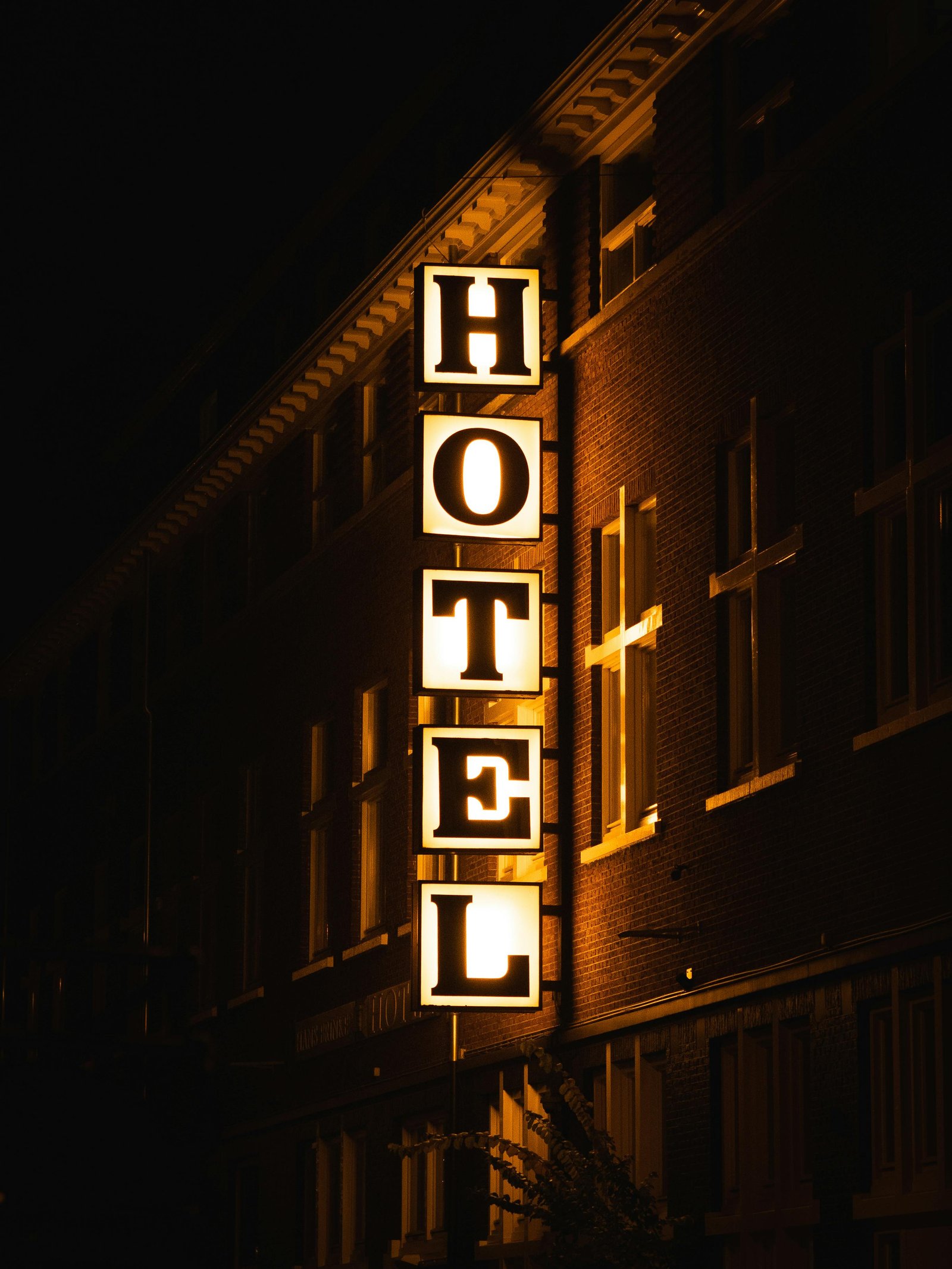
Introduction: As awareness and concern for environmental issues continue to grow, the hospitality industry is faced with the challenge of adopting sustainable practices to minimize its impact on the planet. In Romania, hotels are embracing energy management and environmental protection measures to not only meet the rising expectations of environmentally conscious travelers but also to reduce operational costs. In this blog post, we will explore the efforts undertaken by UK business companies operating hotels in Romania to ensure a more sustainable future. 1. Energy Management in Romanian Hotels: 1.1. Energy-efficient Lighting: UK business companies that operate hotels in Romania are prioritizing energy-efficient lighting systems as part of their energy management strategies. By replacing traditional incandescent bulbs with LED lights, hotels significantly reduce energy consumption and decrease their carbon footprint. It also leads to long-term cost savings as LED lights have a longer lifespan. 1.2. Smart Room Controls: Many hotels are investing in smart room controls that allow guests to adjust the temperature and lighting according to their preferences. By implementing occupancy sensors and intelligent thermostats, hotels can ensure that energy is only used when needed, thereby reducing wastage. 1.3. Renewable Energy Sources: To further enhance energy management efforts, some UK business companies are exploring renewable energy options for their hotels in Romania. Solar panels and wind turbines are increasingly being installed to generate clean and sustainable energy on-site, thus reducing reliance on fossil fuels. 2. Environmental Protection in Romanian Hotels: 2.1. Waste Management: Hotels are adopting comprehensive waste management practices to minimize their impact on the environment. Recycling programs are being implemented, and guests are encouraged to participate by segregating their waste in designated bins. Some hotels even compost food waste, further reducing their ecological footprint. 2.2. Water Conservation: Water scarcity is a growing concern globally, and hotels are taking steps to address this issue in Romania. Innovative water-saving technologies such as low-flow showerheads, dual-flush toilets, and sensor-activated faucets are becoming standard features in hotel bathrooms. Additionally, hotels are implementing linen and towel reuse programs, effectively reducing water consumption during guest stays. 2.3. Sustainable Food and Beverage Practices: Many UK business companies operating hotels in Romania are embracing sustainable food and beverage practices. This includes sourcing locally grown produce and using organic ingredients whenever possible. By supporting local farmers and reducing the carbon emissions associated with long-distance transportation, hotels contribute to both environmental conservation and the local economy. Conclusion: The hospitality industry in Romania is recognizing the importance of sustainability and is making significant strides in energy management and environmental protection. UK business companies operating hotels in Romania understand the need to address environmental concerns proactively. By implementing energy-efficient technologies, waste management practices, water conservation measures, and sustainable food and beverage initiatives, hotels can provide their guests with a more eco-friendly experience while also benefiting their bottom line. These efforts by the hospitality sector are crucial in preserving Romania's natural beauty and ensuring a sustainable future for generations to come. sources: http://www.nezeh.com
Leave a Comment:
SEARCH
Recent News
- Zurich, Switzerland is a charming city known for its stunning architecture, picturesque landscapes, and vibrant culture. It is a popular destination for tourists from all over the world, offering a mix of historical sites, modern amenities, and breathtaking natural beauty. One of the must-visit places in Zurich is the old town, where you can stroll through narrow cobblestone streets lined with shops, cafes, and historic buildings.
- Zurich, Switzerland, and Sydney, Australia, are two popular travel destinations known for their unique charm and vibrant atmospheres. Travelers looking to explore these cities often seek comfortable accommodation options to enhance their stay. In this article, we will guide you through some top hotels in Sydney to consider for your next visit, and also delve into the beautiful city of Zurich and highlight some of its charming hotels.
- When it comes to content creation on YouTube, there are endless possibilities to explore. One interesting niche that creators can delve into is showcasing Tunisian hotels. Tunisia is known for its beautiful landscapes, rich history, and vibrant culture, making it an attractive destination for tourists from around the world.
- Are you interested in learning about YouTube content creation and translation in the context of Sydney hotels? I'm here to guide you through the process of producing engaging YouTube videos focusing on Sydney hotels and how to effectively translate your content to reach a wider audience.
- Tunisia is a beautiful country with stunning beaches, rich culture, and a colorful history. Tunisian hotels play a crucial role in the country's tourism industry, offering visitors a comfortable and luxurious stay during their vacation.
- Planning a trip to Sydney and looking for the best hotels to stay in? Look no further! In this blog post, we will introduce you to some of the top Sydney hotels that you can explore and consider for your stay.
- Tunisia is a beautiful North African country known for its rich history, stunning beaches, and vibrant culture. With its diverse landscapes ranging from the Sahara Desert to the Mediterranean Sea, Tunisia is a popular destination for tourists from all over the world. One major event that put Tunisia on the map in the sports world was when it hosted the FIFA World Cup in 1978.
- The World Cup is an exciting event that draws fans from all over the globe to experience the thrill of watching their favorite teams compete on the world stage. And when it comes to attending matches in Sydney, finding the perfect hotel is key to making the most of your World Cup experience.
READ MORE
8 months ago Category : nacnoc

Zurich, Switzerland is a charming city known for its stunning architecture, picturesque landscapes, and vibrant culture. It is a popular destination for tourists from all over the world, offering a mix of historical sites, modern amenities, and breathtaking natural beauty. One of the must-visit places in Zurich is the old town, where you can stroll through narrow cobblestone streets lined with shops, cafes, and historic buildings.
Read More →8 months ago Category : nacnoc

Zurich, Switzerland, and Sydney, Australia, are two popular travel destinations known for their unique charm and vibrant atmospheres. Travelers looking to explore these cities often seek comfortable accommodation options to enhance their stay. In this article, we will guide you through some top hotels in Sydney to consider for your next visit, and also delve into the beautiful city of Zurich and highlight some of its charming hotels.
Read More →8 months ago Category : nacnoc

When it comes to content creation on YouTube, there are endless possibilities to explore. One interesting niche that creators can delve into is showcasing Tunisian hotels. Tunisia is known for its beautiful landscapes, rich history, and vibrant culture, making it an attractive destination for tourists from around the world.
Read More →8 months ago Category : nacnoc
